
Baked mac and cheese earns its place when the spoon comes out heavy with sauce, the top turns deeply golden, and every bite still stretches with molten cheese underneath. The best versions don’t dry out in the oven or turn grainy when they cool. They hold onto that creamy center and give you just enough browned crust on top to keep things interesting.
This version works because the sauce starts with a proper roux and uses both whole milk and evaporated milk for body. The macaroni is pulled early, which keeps it from going mushy after baking, and the cheese goes in off the heat so it melts smoothly instead of breaking. Sharp cheddar brings the flavor, while Gruyere or Colby jack softens the edges and keeps the sauce from tasting one-note.
If you’ve had baked mac and cheese turn dry or gritty before, the notes below will help you avoid both problems. The little details matter here, especially the rest time after baking.
The sauce stayed silky even after baking, and that smoky little hint from the paprika made it taste like something from a Sunday supper table. I loved that the top browned without the noodles drying out.
Save this baked mac and cheese for the nights when you want a creamy center, a browned crust, and those long cheese pulls.
The Trick to Keeping Baked Mac and Cheese Creamy After the Oven
Most baked mac and cheese fails happen in the oven, but the real damage starts earlier. If the pasta is fully cooked before baking, it keeps softening until it turns bloated and dull. If the sauce gets too hot after the cheese goes in, the fats separate and you end up with a grainy pan instead of a smooth one. The fix is a little undercooked pasta, a properly thickened base, and gentle heat once the cheese is added.
The other thing that matters is thickness before it goes into the dish. The sauce should coat the spoon and look loose enough to pour, but not thin enough to run like milk. It will tighten in the oven, and again as it rests. That resting time is not optional if you want clean scoops instead of a loose puddle.
What Each Cheese Is Doing in the Sauce
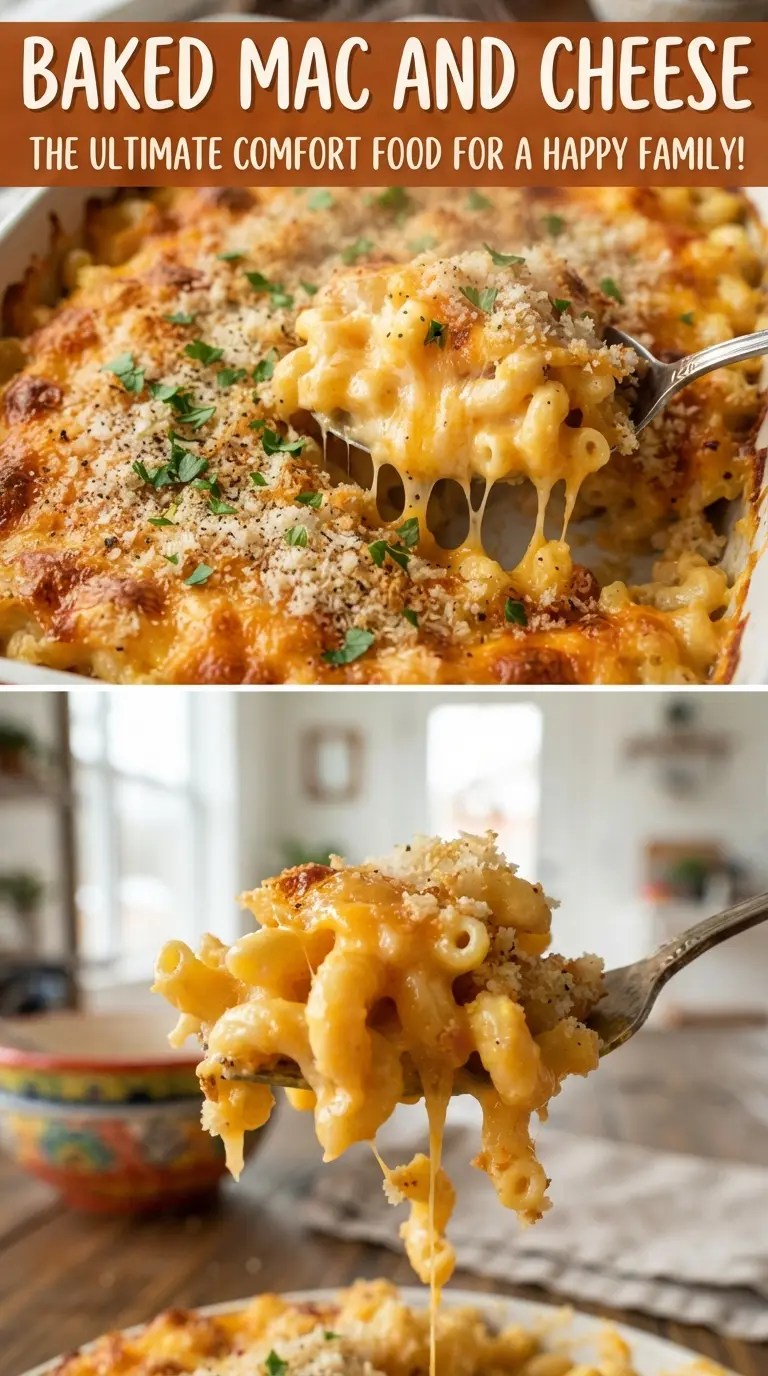
- Sharp cheddar — This is the flavor backbone. It brings the tang and the classic mac and cheese taste, but it can turn oily if it’s overheated, which is why it gets stirred in off the heat.
- Gruyere or Colby jack — Gruyere adds a nutty finish and melts smoothly; Colby jack gives a milder, more family-friendly result. Either one helps keep the sauce supple instead of heavy.
- Evaporated milk — This adds body and a little sweetness without making the sauce feel heavy. Regular milk alone works in a pinch, but the evaporated milk gives the final dish a richer, more stable texture.
- Dry mustard and smoked paprika — Neither one makes the dish taste like mustard or smoke. They sharpen the cheese flavor and keep the sauce from tasting flat.
Building the Sauce Before the Cheese Goes In
Cooking the Pasta Just Short of Done
Boil the macaroni until it’s still a little firm in the center, then drain it right away. That extra bite matters because the pasta keeps cooking in the oven and again while it sits in the hot sauce. If you take it all the way to al dente on the stove, it usually ends up too soft after baking. Give it a quick stir after draining so it doesn’t clump while you finish the sauce.
Making the Roux
Melt the butter, whisk in the flour, and cook it for about a minute until it smells a little nutty and looks smooth, not pasty. That short cooking time takes away the raw flour taste without letting the roux darken too much. If the roux looks clumpy, the heat is too high or the flour wasn’t whisked in evenly. Keep the whisk moving and the mixture glossy.
Thickening the Milk Base
Whisk in the whole milk and evaporated milk slowly so the sauce stays smooth from the start. Let it simmer until it coats the back of a spoon; that usually takes five to six minutes. If it boils hard, the bottom can catch and the sauce can develop a grainy edge. Gentle heat gives you a sauce that bakes up creamy instead of loose.
Melting the Cheese Off the Heat
Pull the pan off the burner before the cheese goes in, then stir until everything melts into a glossy sauce. High heat is the fastest way to make cheddar separate and turn oily. Once the cheese is smooth, fold in the pasta and work quickly so the sauce stays warm and fluid. Pour it into the dish while it still looks a little looser than you think it should.
How to Adjust It Without Losing the Creamy Texture
Gluten-Free Version
Use your favorite gluten-free elbow pasta and swap the all-purpose flour for a measure-for-measure gluten-free blend. The texture stays close to the original, though the sauce may thicken a little faster, so watch it closely once the milk goes in.
Milder, Kid-Friendly Cheese Blend
Use all Colby jack in place of the Gruyere if you want a softer, less sharp flavor. The sauce will still be creamy and bake up well, but it won’t have that nutty edge from the Gruyere.
Extra-Browned Top
For a more pronounced crust, reserve a little extra cheddar for the top and bake the dish in the upper third of the oven for the last few minutes. Don’t extend the bake too long just to get color, or the sauce underneath will tighten too much.
Make-Ahead Assembly
Assemble the mac and cheese, cover it tightly, and refrigerate it before baking. Let it sit on the counter while the oven heats so the center doesn’t go in ice-cold, which can throw off the bake time and leave the middle underheated.
Storage and Reheating
- Refrigerator: Keep leftovers covered for up to 4 days. The sauce firms up in the fridge, but it still reheats well.
- Freezer: It freezes, though the texture softens a bit after thawing. Cool it completely, portion it tightly, and freeze for up to 2 months.
- Reheating: Reheat covered in a 325F oven with a splash of milk stirred in if needed. Microwaving straight from the fridge can make the cheese separate, so warm it gently in bursts if that’s the only option.
Answers to the Questions Worth Asking
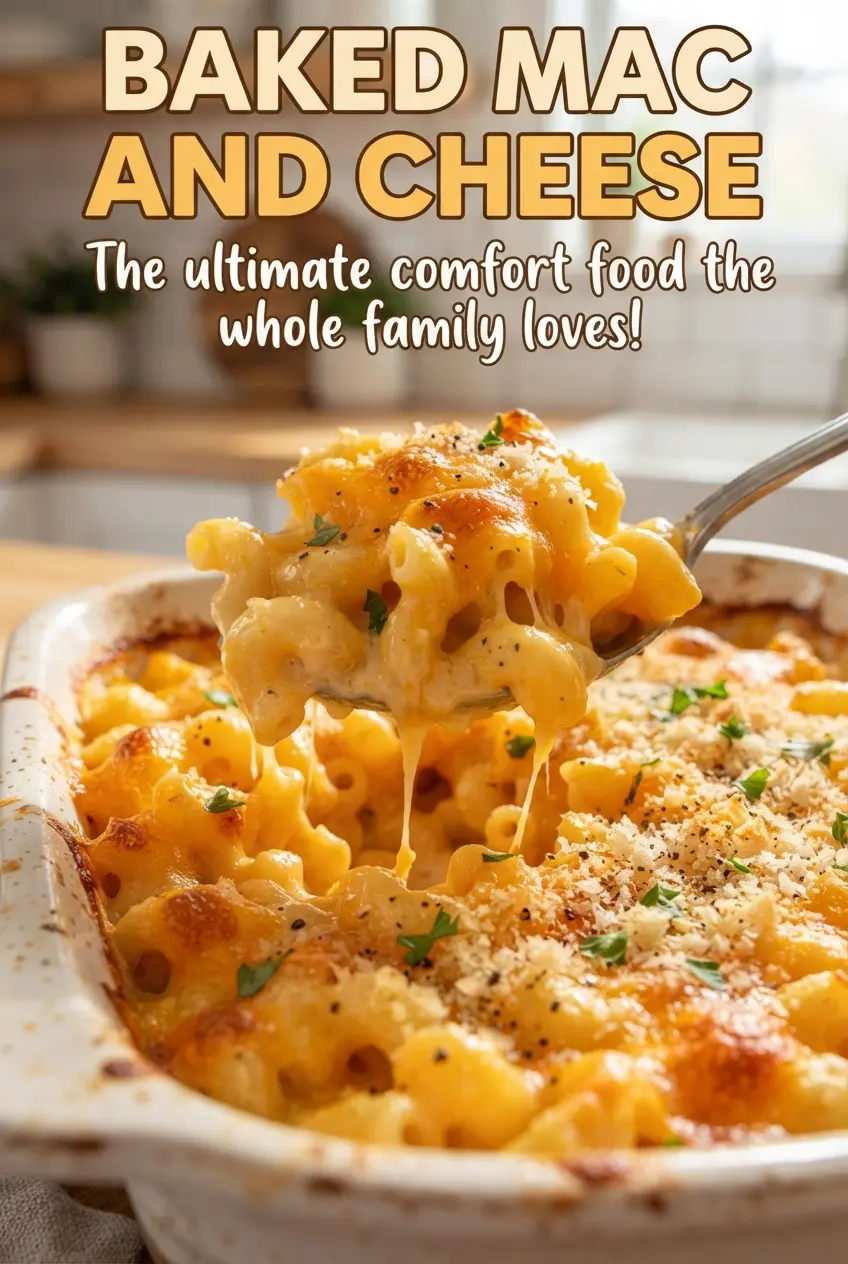
Baked Mac and Cheese
Ingredients
Equipment
Method
- Preheat the oven to 350°F, then butter a 9x13-inch baking dish. Make sure the dish is coated so the crust releases cleanly.
- Cook the elbow macaroni for 2 minutes less than package directions, then drain. Look for pasta that is tender but still firm in the center.
- Melt the butter, whisk in the all-purpose flour, and cook for 1 minute. You should see a smooth paste with no dry flour streaks.
- Slowly whisk in the whole milk and evaporated milk until the mixture is smooth. Keep whisking until it looks glossy and fully combined.
- Simmer the sauce for 5-6 minutes until thickened, then season with salt, black pepper, dry mustard, and smoked paprika. The sauce should cling to the whisk.
- Stir in 3 cups shredded sharp cheddar and 1 1/2 cups shredded Gruyere or Colby jack until melted, then fold in the drained pasta. The mixture should be creamy and evenly coated.
- Pour the mac and cheese into the buttered baking dish and top with the remaining shredded cheddar and remaining shredded Gruyere or Colby jack. Spread the cheese to the edges so it browns evenly.
- Bake for 25-30 minutes until bubbly and golden. You should see active bubbling at the edges and a browned cheese crust on top.
- Rest the baked mac and cheese for 10 minutes before serving. It will thicken slightly so scoops hold their shape.


