Soft, tall, and pillowy, these leftover mashed potato rolls bake up with a tender crumb that stays plush for days. The mashed potatoes don’t just use up leftovers; they change the texture in the best way, giving the rolls a light richness that plain dinner rolls can’t match. The tops turn golden and glossy under a brush of butter, and the centers pull apart in feathery layers that are almost impossible to resist warm from the pan.
The trick is keeping the potatoes at room temperature and the milk warm, not hot, so the yeast wakes up without getting shocked. Mashed potatoes can vary a lot from batch to batch, so the dough tells you more than the clock does: it should be soft and a little tacky, but not sticky enough to cling stubbornly to your hands. That small bit of moisture is what keeps the rolls tender instead of dry.
Below, I’ve included the part that matters most if you want bakery-style height from homemade rolls, plus a few swaps and storage notes that make this recipe easy to work into a weeknight dinner or a holiday spread.
The dough rose beautifully and the rolls baked up super soft. I loved that the mashed potatoes made them fluffy without tasting like potatoes at all, and the buttery tops were gone before dinner was even on the table.
Save these leftover mashed potato rolls for the softest pull-apart dinner rolls made from ingredients you already have on hand.
The Reason These Rolls Stay Soft Instead of Turning Dense
Potato rolls fail for one of two reasons: the dough is too dry, or the yeast never gets a proper start. Mashed potatoes add moisture and starch, which makes the crumb extra tender, but they also make it harder to judge the dough by sight alone. If the mashed potatoes are cold or stiff, they can slow the yeast down and leave you with a tight loaf instead of a light one.
That’s why the milk needs to be warm and the potatoes need to be room temperature. The yeast blooms first, then the potatoes go in, and the dough should end up soft enough to give under your fingers without feeling wet. If you add too much flour trying to make it look neat, the rolls bake up dry and heavy. A tacky dough is the goal here, not a firm one.
What Each Ingredient Is Doing in the Dough
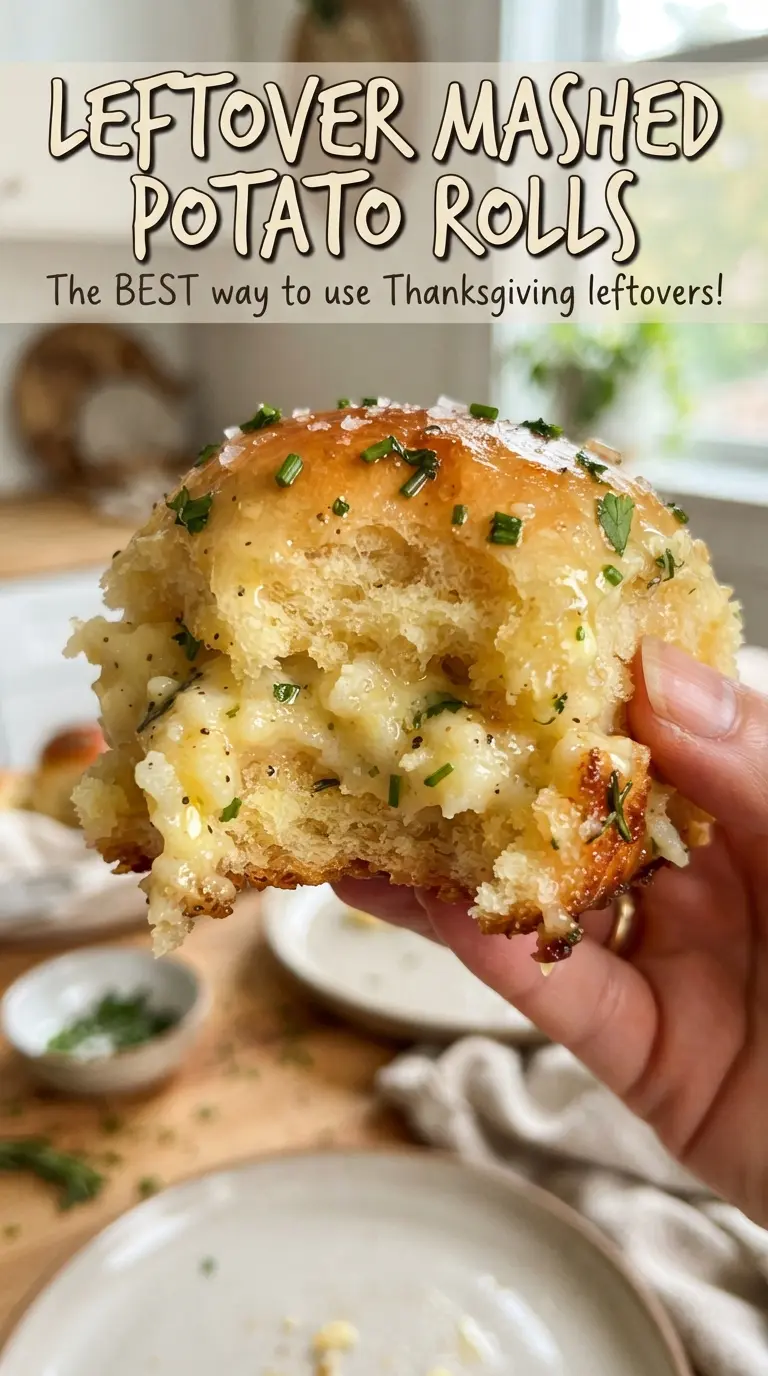
- Leftover mashed potatoes — These give the rolls their signature softness and a subtle richness. Smooth mashed potatoes work best; if yours are very thick, loosen them slightly with a spoonful of warm milk so they blend into the dough without leaving lumps.
- Instant yeast — This gets the dough moving fast and reliably. If you only have active dry yeast, use the same amount and let it sit in the warm milk and sugar a few extra minutes until clearly foamy before moving on.
- Warm milk — The milk hydrates the flour and helps the yeast wake up. Keep it around 110°F; hotter than that can kill the yeast, and colder milk will slow the rise enough that the rolls may bake up tight.
- Butter and egg — These enrich the dough and help the rolls stay tender after baking. The melted butter should be warm, not sizzling, so it doesn’t scramble the egg or cook the yeast mixture.
- All-purpose flour — All-purpose flour keeps the crumb soft and light. Bread flour will make the rolls a little chewier, which isn’t wrong, but it changes the texture away from the pillowy finish this recipe is aiming for.
Building the Dough and Keeping the Rise Light
Waking Up the Yeast
Stir the warm milk, yeast, and sugar together and give it about 5 minutes. You want a foamy top and a smell that’s lightly bready, not sour. If nothing happens, the milk was too hot, too cold, or the yeast is past its prime, and the dough won’t rise properly no matter how long you wait.
Mixing in the Potatoes
Add the potatoes, egg, melted butter, and salt and mix until the mixture looks smooth before the flour goes in. This keeps the potatoes from staying in little pockets that can make the rolls uneven. The dough will look loose at first, then tighten as the flour is added; that shift is normal and helps you stop adding flour too soon.
Finding the Right Dough Texture
Add the flour gradually and knead for 6 to 8 minutes until the dough feels soft, elastic, and slightly tacky. If it sticks hard to the bowl or your hands, add flour a tablespoon at a time, but stop as soon as it turns manageable. Too much flour is the fastest way to lose the plush texture that makes these rolls worth baking.
Shaping for a Tall Final Bake
Divide the dough into 16 even pieces and roll each one into a smooth ball by tucking the edges underneath. Set them close together in the pan so they support each other as they rise, which helps the tops bake into that soft pull-apart shape. After the second rise, they should look puffy and touch each other lightly before they go into the oven.
Baking Until Golden, Then Finishing Hot
Bake until the tops are deeply golden and the rolls feel set in the center, about 18 to 20 minutes. If they brown too quickly, the oven may run hot, so start checking at 17 minutes. Brush them with melted butter right after baking and finish with flaky salt while the surface is still warm enough to catch it.
How to Adapt These Rolls When You Need a Different Outcome
Make Them Dairy-Free
Swap the milk for unsweetened oat milk or soy milk and use a good plant-based butter in the dough and for brushing. The rolls will still be soft, though oat milk tends to give the best round, mellow flavor. Just keep the milk warm, not hot, so the yeast still rises cleanly.
Use Instant Mashed Potatoes in a Pinch
If you don’t have leftover mashed potatoes, you can use plain instant mashed potatoes made with just water, then cool them to room temperature before mixing. The flavor is a little less rich, but the texture still works because what matters here is the starch and moisture, not fancy potatoes.
Turn Them Into Pull-Apart Herb Rolls
Mix finely chopped chives, parsley, or rosemary into the dough after the flour starts to come together. Fresh herbs lift the flavor without changing the texture, though rosemary gives the strongest finish, so use it sparingly. These are especially good alongside soup or roast chicken.
Storage and Reheating
- Refrigerator: Store in an airtight container for up to 4 days. The rolls will lose a little of their fresh-baked softness, but they still stay tender.
- Freezer: These freeze well. Wrap tightly and freeze for up to 2 months, then thaw at room temperature before reheating.
- Reheating: Warm in a 300°F oven for 8 to 10 minutes, loosely covered with foil so the tops don’t dry out. If you microwave them, use short bursts and a damp paper towel, or they’ll turn rubbery fast.
Questions I Get Asked About This Recipe
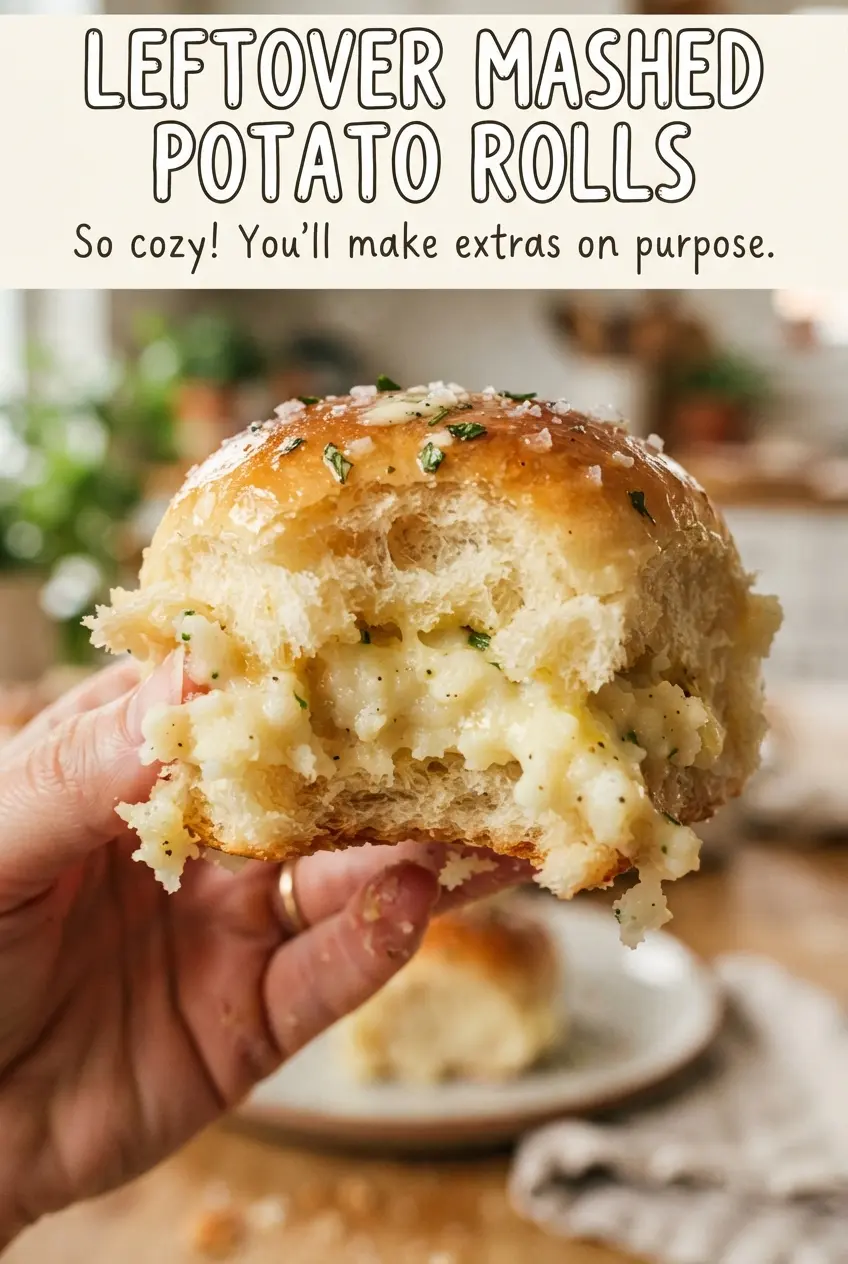
Leftover Mashed Potato Rolls
Ingredients
Equipment
Method
- Combine the warm milk, instant yeast, and sugar, then let sit for 5 minutes until foamy. The mixture should look bubbly and slightly expanded.
- Mix in the mashed potatoes, egg, melted butter, and salt until smooth. Stop when no dry streaks remain and the dough looks cohesive.
- Add the all-purpose flour gradually and knead for 6-8 minutes until the dough is soft and slightly tacky. It should feel springy and hold together when pressed.
- Cover the dough and let rise for 1 hour until doubled in size. It should puff up and look noticeably airy.
- Shape the dough into 16 balls and arrange them in a greased 9x13-inch pan. Space them evenly so they have room to expand.
- Cover and let rise for 30 minutes until the rolls look puffy and touch more lightly when pressed. They should rise further but not fully bake yet.
- Preheat the oven to 375°F, then bake for 18-20 minutes until golden brown. The tops should be visibly browned and the rolls sound slightly hollow when tapped.
- Brush the hot rolls with melted butter and sprinkle with flaky sea salt. The butter should melt into the crust for a glossy finish.