
Golden chicken strips, blistered peppers, and tender zucchini make this skillet dinner one of those back-pocket meals that tastes like you put in far more effort than you did. The vegetables keep a little bite, the onion softens into the pan drippings, and the quick herb-garlic sauce ties everything together without turning heavy or soggy.
What makes this version work is the order. The chicken sears first so it gets color before the vegetables start releasing moisture, and the pan stays hot enough to char the edges instead of steaming them. A small splash of broth loosens the browned bits, then butter gives the skillet just enough gloss to coat everything without hiding the flavor of the vegetables.
Below, I’ve included the timing cues that matter most, plus a few smart swaps for when you want to use what’s already in the fridge. If you’ve ever ended up with pale chicken or limp vegetables, the details here will help.
The chicken stayed juicy and the peppers kept a little char, which made the whole skillet taste fresh instead of mushy. I loved how the broth picked up all the browned bits and turned into just enough sauce for the rice underneath.
Save this chicken and vegetables skillet for the nights when you want golden chicken, charred vegetables, and a quick garlic butter finish in one pan.
The Key to Keeping the Vegetables Crisp Instead of Watery
The biggest mistake in a chicken and vegetables skillet is crowding the pan and turning the vegetables into a steam bath. Zucchini and peppers both carry a lot of moisture, so they need high heat and room to sit against the skillet long enough to brown. If the pan looks wet, the vegetables will soften before they ever char.
That’s why the chicken comes out first. Once the meat is cooked through, the skillet is left with a little fat and all those browned bits, which the vegetables pick up as they blister. Red onion gives the dish sweetness as it cooks down, and the garlic goes in late so it perfumes the pan without burning.
- Chicken breasts — Cutting them into strips helps them sear quickly and stay juicy. Thighs work too, but they’ll bring a richer, slightly fattier result and may need an extra minute or two.
- Bell peppers — Use red and yellow for sweetness and color. Green peppers will work, but they’ll give the skillet a sharper edge and a less sweet finish.
- Zucchini — Slice it thick enough to hold shape. Thin slices go soft fast and disappear into the sauce.
- Chicken broth — This is the deglazing liquid that pulls flavor off the pan. Water works in a pinch, but the skillet tastes flatter.
- Butter — Stirred in at the end, it gives the sauce a glossy finish and helps it cling to the chicken and vegetables instead of pooling in the pan.
What Each Ingredient Is Actually Doing in This Recipe
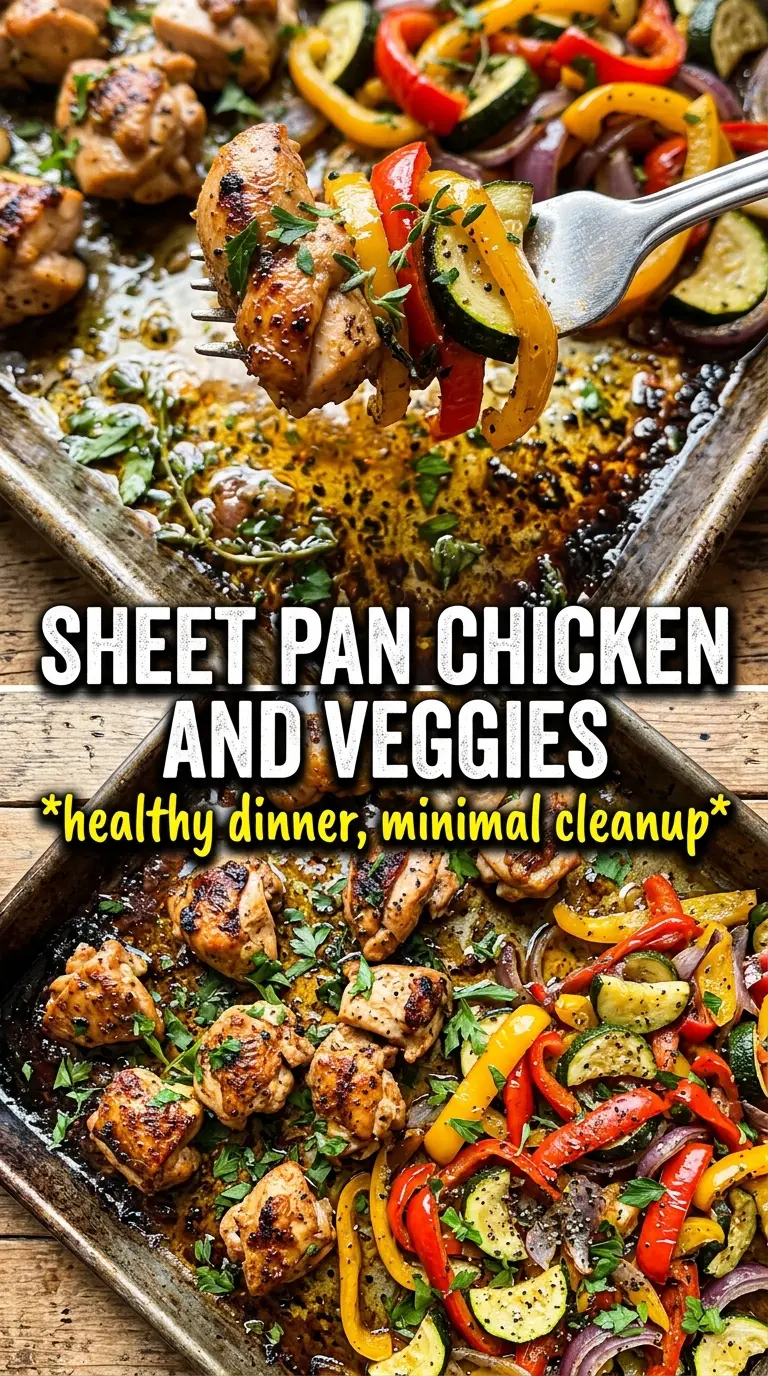
- Primary ingredient (the star) — Quality matters most. Choose the best you can find.
- Cooking medium (oil, butter, or broth) — This carries flavors and prevents dryness.
- Seasonings (salt, pepper, spices, herbs) — Layer flavors so nothing overpowers. Build depth gradually.
- Aromatics (garlic, onion, herbs) — Cook with fat to bloom flavors. Become the foundation.
- Supporting ingredients — Complement the main ingredient without overpowering it.
- Sauce or liquid (if applicable) — Brings flavors together. Balance richness with acid.
- Acid (lemon, vinegar, wine, or other) — Brightens and prevents flat-tasting results.
- Final finish (garnish, glaze, or sauce) — Prevents one-dimensional taste and adds visual appeal.
Cooking It Hot Enough to Brown, Not So Hot It Burns
Season the Chicken First
Toss the chicken strips with Italian seasoning, smoked paprika, salt, and pepper before the pan heats up. That gives the seasoning a chance to cling and keeps the spices from scorching in the skillet. The paprika should smell fragrant the moment the chicken hits the oil, not bitter.
Build the First Sear
Use a large cast iron skillet and get the oil hot before the chicken goes in. You’re looking for an immediate sizzle and a deep golden edge after 4 to 5 minutes; if the pan is too crowded, the chicken will pale and release liquid. Pull it out as soon as it reaches 165°F so it doesn’t overcook while the vegetables finish.
Blister the Vegetables
Add the peppers, zucchini, and onion to the same pan and leave them alone long enough to brown at the edges. Stirring every few seconds keeps them from picking up color. If they start to look dry before they char, your heat is too low.
Finish With Broth and Butter
Garlic only needs about a minute, just until it smells sweet and sharp. Pour in the broth and scrape the bottom of the skillet until the browned bits dissolve into the liquid, then add the butter and toss everything together. The sauce should lightly coat the chicken and vegetables, not drown them.
How to Adapt This Skillet When the Fridge Is Working Against You
Use chicken thighs instead of breasts
Boneless skinless thighs make this skillet richer and a little more forgiving if you like a softer texture. They usually need a minute or two longer in the pan, and they won’t dry out as quickly if you get distracted.
Make it dairy-free
Leave out the butter and finish with another drizzle of olive oil. You’ll lose a little gloss, but the garlic, broth, and seared chicken still carry the dish.
Swap in sturdier vegetables
Broccoli florets, asparagus, or green beans all work well if zucchini isn’t on hand. Just remember that denser vegetables need a longer cook time, so start them a minute or two before the peppers if you want everything done at the same time.
Turn it into a low-carb dinner bowl
Serve the skillet over cauliflower rice or shredded cabbage instead of regular rice. Both soak up the pan juices without competing with the garlic and paprika.
Storage and Reheating
- Refrigerator: Store in an airtight container for up to 4 days. The vegetables soften a bit, but the flavor holds up well.
- Freezer: It freezes, but the zucchini will turn softer after thawing. Freeze in portions for up to 2 months if texture matters less than convenience.
- Reheating: Warm in a skillet over medium-low heat with a splash of broth or water. Microwaving works, but it steams the vegetables and can make the chicken rubbery if you overdo it.
Answers to the Questions Worth Asking
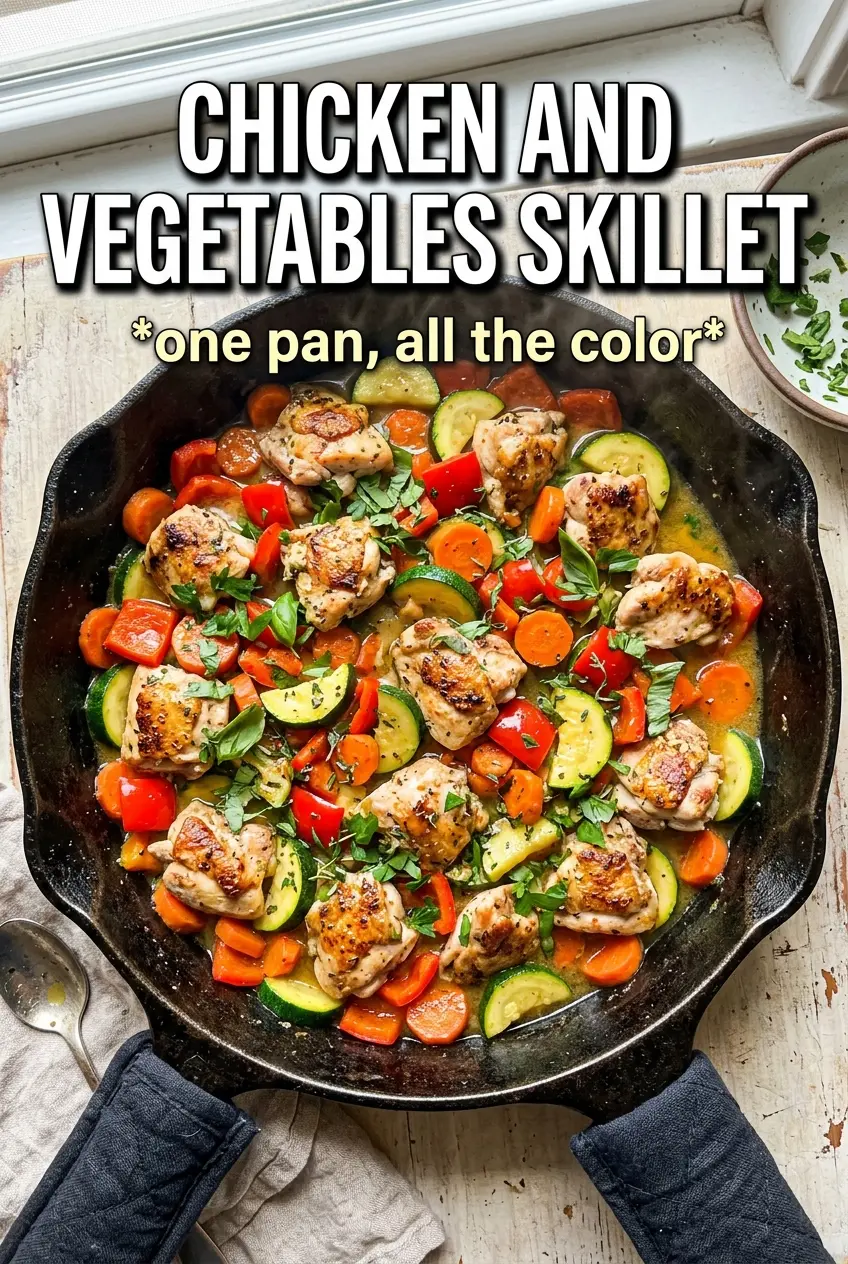
Chicken and Vegetables Skillet
Ingredients
Equipment
Method
- Season the chicken strips with Italian seasoning, smoked paprika, salt, and pepper. Coat evenly so spices cling to the surface before cooking.
- Heat olive oil in a large cast iron skillet over high heat, then sear the chicken for 4-5 minutes until golden and cooked through to 165°F; remove. Look for browned edges and juices running clear.
- Add the bell peppers, zucchini, and red onion to the same pan and cook over high heat for 5-6 minutes until blistered and slightly charred. Keep them spread in an even layer for visible browning.
- Add the garlic and cook for 1 minute. Stir just until fragrant, not browned.
- Pour in the chicken broth and deglaze, scraping up browned bits from the pan. Stop when the liquid looks glossy and the browned layer dissolves.
- Return the chicken to the pan, add butter, and toss to coat everything. Cook for 1-2 minutes until the chicken is reheated and the sauce lightly clings.
- Garnish with fresh parsley and serve with lemon wedges. Finish with bright citrus right before eating for best flavor.


