
Thin chicken cutlets are what keep chicken piccata crisp at the edges and fast on the table. The best versions don’t drown the chicken in sauce; they give you a bright lemon-butter pan sauce that clings to each piece, with capers cutting through the richness and just enough flour on the outside to help everything stay silky instead of watery.
The trick is in the order. The chicken gets a light dredge, not a heavy coating, so it browns quickly without turning pasty. Then the sauce builds in the same skillet, which means the browned bits from the chicken season the wine, broth, and lemon instead of getting washed away. Finishing with cold butter off the heat is what gives the sauce that glossy, restaurant-style finish.
Below, I’ll show you how to keep the sauce balanced, how to avoid overcooking the cutlets, and what to do if you want to make this with what’s already in your kitchen.
The sauce reduced down beautifully and stayed silky when I swirled in the butter at the end. I’ve made piccata before, but this was the first time the chicken stayed crisp instead of getting soggy.
Save this chicken piccata for the nights when you want a crisp cutlet and a bright lemon-caper pan sauce without a lot of cleanup.
The Pan Sauce Breaks When You Rush the Finish
Chicken piccata looks simple, but the sauce is where people lose it. If the pan is too hot when the butter goes in, the sauce can separate and turn greasy instead of glossy. If the chicken is piled back into the skillet too early, the crust softens before it has a chance to hold its own in the sauce.
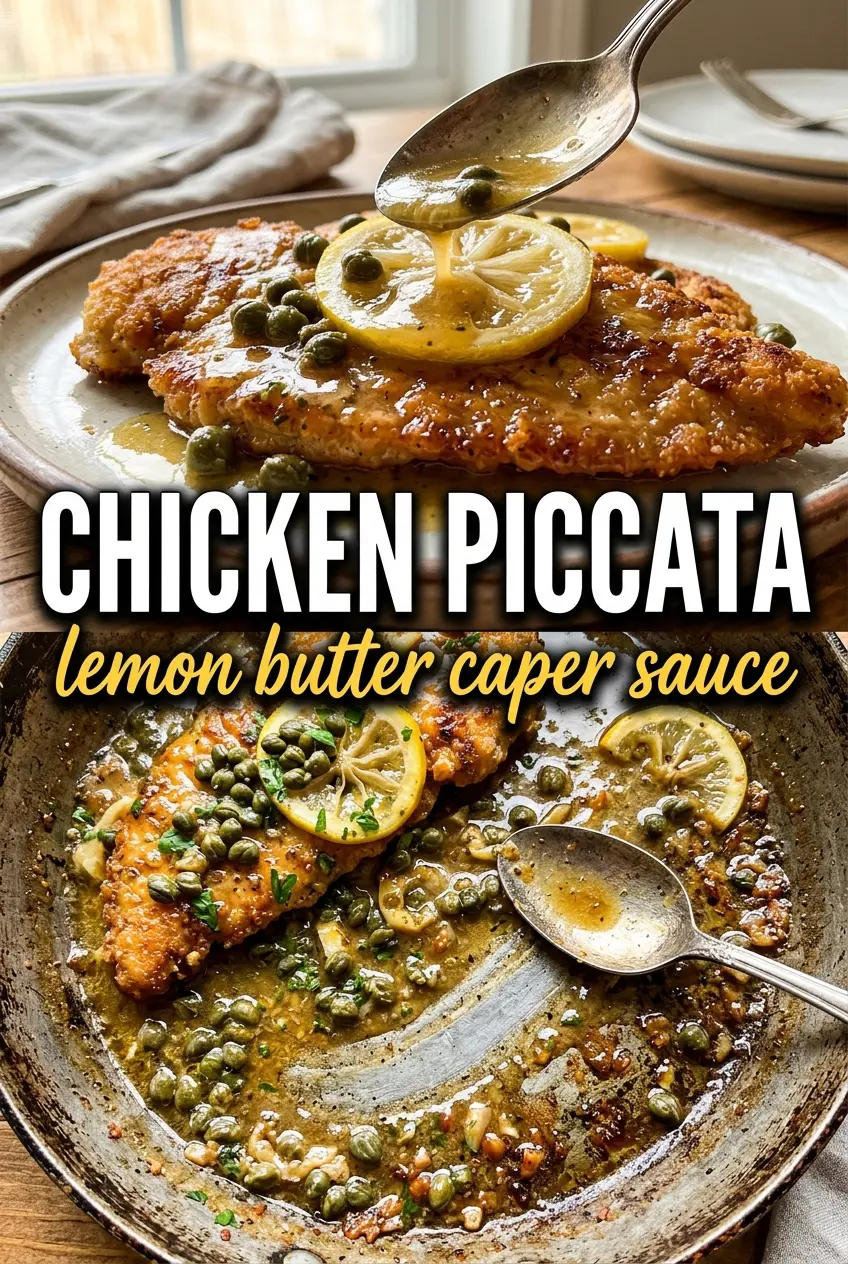
The fix is straightforward: let the wine and broth reduce before you add the final butter, then pull the pan off the heat and swirl it in. That gentle finish gives you an emulsified sauce with body. The lemon slices and capers need just enough simmering to soften their edge without turning bitter or mushy.
What Each Ingredient Is Actually Doing in This Dish
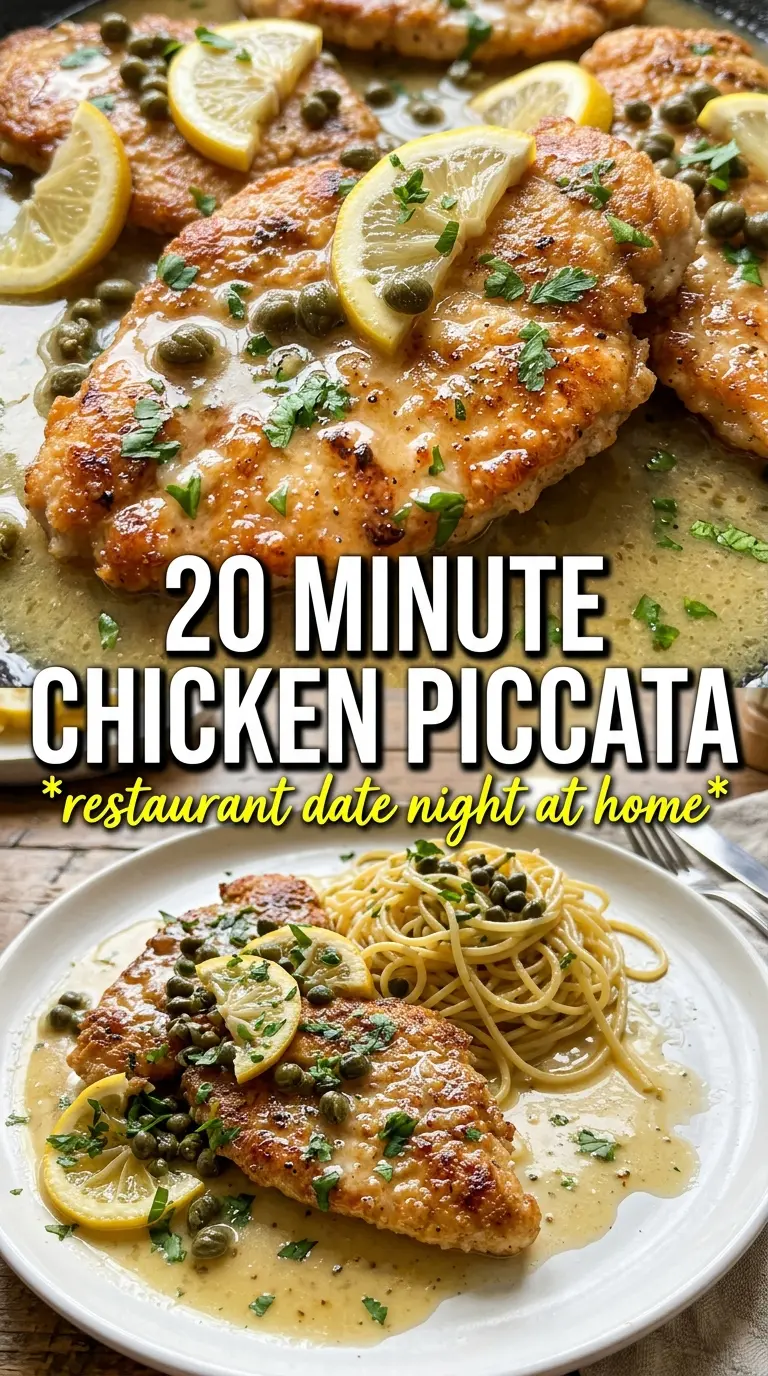
- Chicken breasts — Halving them into thin cutlets is what makes the dish cook quickly and evenly. Thick pieces need more time and usually dry out before the sauce is ready.
- Flour — The light dredge gives you browning and helps the sauce cling to the chicken. Don’t use a heavy coating; too much flour makes the pan sauce look cloudy and thick in the wrong way.
- Dry white wine — This adds sharpness and helps lift the browned bits from the pan. If you don’t cook with wine, use more chicken broth plus a small splash of extra lemon juice, but the sauce will taste a little rounder and less brisk.
- Lemon juice and capers — These are the backbone of the dish. Fresh lemon keeps the sauce bright, and capers bring the salty punch that makes piccata taste like piccata instead of just lemon chicken.
- Butter — The final cold butter is what makes the sauce glossy and gives it that lush finish. Add it at the end, off the heat, or it can break and turn oily.
How to Keep the Chicken Crisp While the Sauce Comes Together
Season and Dredge Lightly
Pat the cutlets dry first, then season them with salt and pepper before they go into the flour. A thin, even dusting is all you want; shake off the excess so the coating doesn’t gum up in the pan. If the flour looks pasty before it hits the oil, it was too heavy.
Brown the Cutlets in Batches
Heat the oil and part of the butter until it shimmers, then lay the chicken in without crowding the skillet. Crowding drops the temperature and steams the coating instead of browning it. You want a deep golden surface and the chicken to release easily when it’s ready to turn.
Build the Sauce in the Same Skillet
Once the chicken is out, add the garlic for just a short hit of heat, then pour in the wine and scrape up every browned bit. That fond is the flavor base, and it disappears if you switch pans. Let the liquid reduce before you add the broth, lemon juice, capers, and lemon slices so the final sauce tastes concentrated, not thin.
Finish Off the Heat
Take the skillet off the burner before you swirl in the last butter. That’s what keeps the sauce smooth and gives it a shine instead of a greasy split. Return the chicken to the pan at the very end and spoon the sauce over the top just long enough to warm everything through.
How to Adapt Chicken Piccata Without Losing the Point
Make It Gluten-Free
Use a gluten-free all-purpose flour blend in place of the regular flour. You still get the light crust and the sauce-thickening effect, though some blends brown a little faster, so keep an eye on the skillet and lower the heat if needed.
Skip the Wine and Keep the Sauce Bright
Replace the wine with extra chicken broth and an extra teaspoon or two of lemon juice. You’ll lose a little of the wine’s sharp depth, but the sauce still tastes balanced if you reduce it enough before finishing with butter.
Use Chicken Thighs for a Richer Result
Boneless thighs work if you want more richness and a little more forgiveness on the stovetop. They won’t give you the same delicate piccata feel, and they usually need a few extra minutes, but they stay juicy and hold up well in the sauce.
Storage and Reheating
- Refrigerator: Store in an airtight container for up to 3 days. The chicken softens a little as it sits, but the sauce still tastes excellent.
- Freezer: It can be frozen, but the sauce is best fresh. If you do freeze it, cool it completely and freeze in a tight container for up to 2 months; the butter sauce may separate slightly after thawing.
- Reheating: Warm gently in a skillet over low heat with a splash of broth or water. High heat toughens the chicken and can split the sauce, so keep the simmer very mild and stop as soon as it’s heated through.
Answers to the Questions Worth Asking
Chicken Piccata
Ingredients
Equipment
Method
- Season the chicken cutlets with salt and pepper, then dredge lightly in all-purpose flour and shake off excess.
- Heat the olive oil and 2 tablespoons of butter in a large skillet over medium-high heat, then cook chicken in batches for 3-4 minutes per side until golden and cooked through.
- Remove the chicken to a plate or rack and set aside while you make the sauce.
- Add the minced garlic to the skillet and cook for 30 seconds, stirring until fragrant.
- Pour in the dry white wine and scrape up the browned bits, then simmer for 2 minutes to reduce slightly.
- Add the chicken broth, fresh lemon juice, capers, and the sliced lemon, then simmer for 4-5 minutes until the sauce reduces by a third.
- Turn off the heat and swirl in the remaining 2 tablespoons of cold butter until the sauce looks glossy.
- Return the chicken cutlets to the skillet, spoon the sauce over each cutlet, and garnish with chopped fresh parsley.


