Slow cooker corned beef and cabbage turns a tough brisket into slices that pull apart with almost no effort, while the cabbage, carrots, and potatoes soak up all that seasoned broth underneath. The best part is that everything finishes in one pot with the meat staying juicy instead of drying out while you wait for the vegetables to catch up.
What makes this version work is the layering: the sturdier vegetables go in first, the brisket sits on top fat-side up, and the cabbage joins near the end so it stays tender instead of collapsing into mush. A little apple cider vinegar sharpens the broth and keeps the whole pot from tasting flat, while the brown sugar smooths out the saltiness from the corned beef without making it sweet.
Below, I’ll walk you through the timing that keeps the cabbage intact, the one resting step that makes slicing easier, and a few ways to adjust the pot if you want a little more broth, a different vegetable mix, or leftovers that still reheat well the next day.
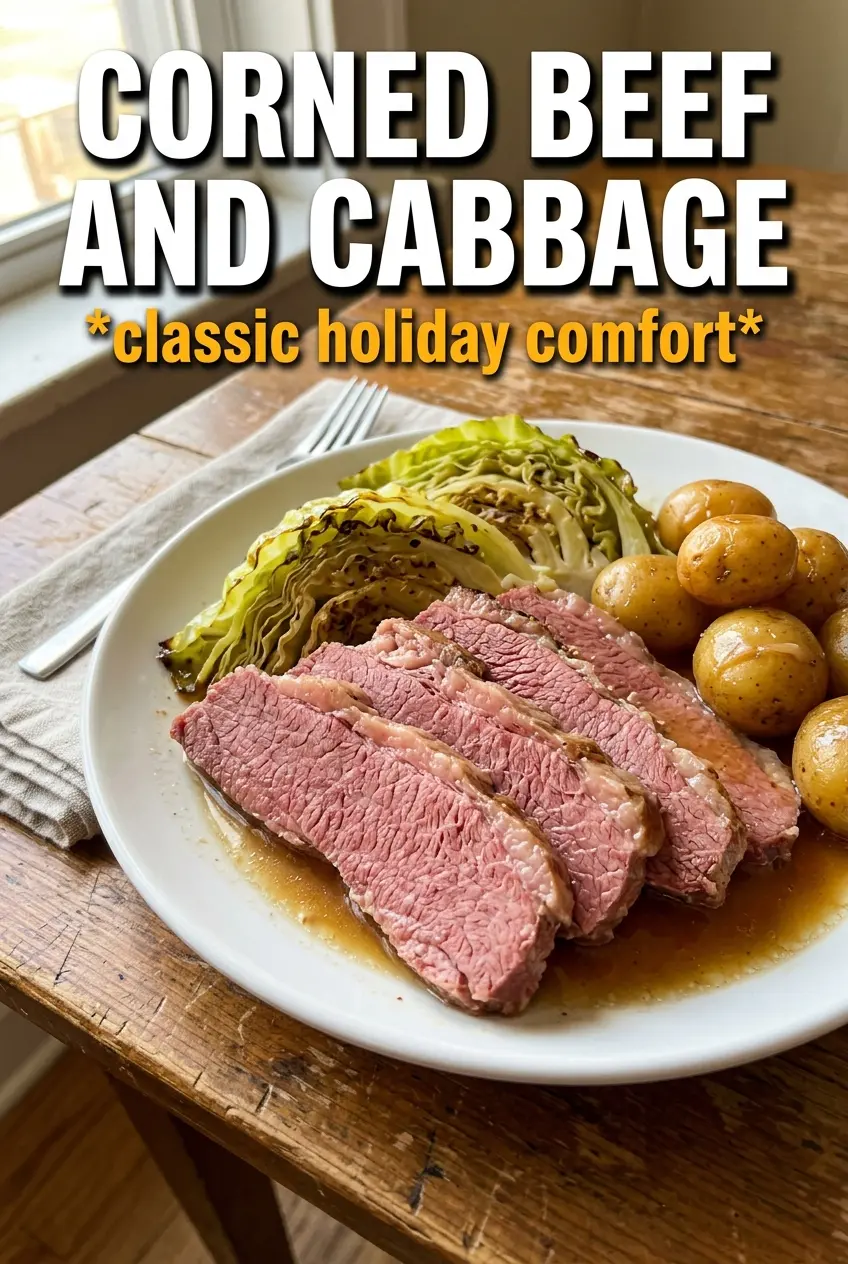
The brisket sliced cleanly after resting, and the cabbage held its shape instead of turning to mush. The broth had just enough tang, and the potatoes soaked up all that flavor.
Save this slow cooker corned beef and cabbage for the days when you want a full Irish-American dinner with almost no hands-on work.
The Mistake That Makes the Brisket Dry Before the Cabbage Is Ready
Corning beef in the slow cooker can go wrong when the meat sits too low in the liquid and stays there for hours without enough structure underneath it. The brisket needs a bed of potatoes, carrots, and onion so it cooks from the bottom with a little lift, not as if it’s boiling on the base of the pot. That keeps the texture tender instead of stringy.
The other trap is putting the cabbage in too early. Cabbage doesn’t need the full cook time the brisket needs, and if it goes in from the start it loses its shape, gets sulfur-heavy, and takes on that overcooked smell nobody wants. Add it near the end and it turns soft and buttery without disappearing.
- Fat-side up brisket — This lets the rendered fat baste the meat as it cooks. Don’t trim it lean before cooking or you’ll lose the built-in protection that keeps the slices moist.
- Apple cider vinegar — Just a small amount brightens the broth and balances the salt from the cure. White vinegar works in a pinch, but cider vinegar gives a rounder, less harsh finish.
- Brown sugar — It softens the edges of the spice packet and helps the broth taste fuller. You’re not making sweet beef; you’re nudging the salt and spice into balance.
- Yukon Gold potatoes — They hold their shape better than russets and don’t turn mealy after a long cook. If you swap them, use another waxy potato so they don’t fall apart.
What Each Ingredient Is Doing in the Slow Cooker
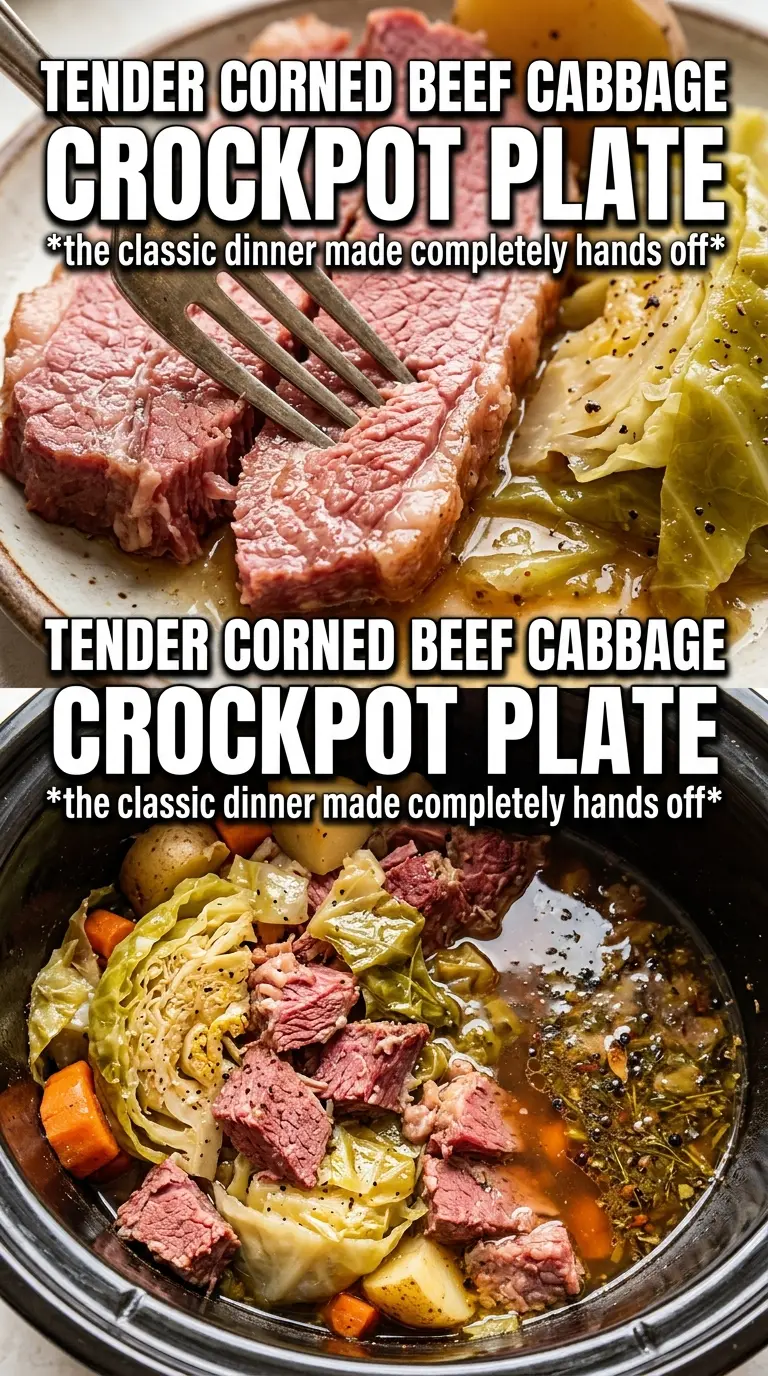
- Flat-cut corned beef brisket — This cut slices neatly and gives you those long, even pieces people expect from corned beef and cabbage. Point cut works too, but it’s fattier and less tidy when sliced.
- Beef broth — It gives the vegetables something savory to absorb and keeps the slow cooker from tasting one-note. Low-sodium broth is best if your brisket is especially salty.
- Onion and garlic — They melt into the liquid and build the base flavor under the meat. Smashing the garlic helps it perfume the broth without leaving sharp raw bites behind.
- Cabbage wedges — Wedges are better than shreds here because they hold together during the final cook. Cut through the core so each piece stays intact.
- Whole grain mustard — This is the finishing touch that wakes everything up at the table. Dijon works if that’s what you have, but whole grain mustard gives a better texture with the beef.
How to Layer the Pot So Everything Finishes at the Right Texture
Building the Vegetable Base
Start with the potatoes, carrots, onion, and garlic in the bottom of the slow cooker. They act like a rack and keep the brisket from sitting directly on the base where it can overcook on the underside. Pour the broth and vinegar over the vegetables so the liquid starts circulating before the meat goes in.
Setting the Brisket in Place
Rinse the brisket briefly under cold water to remove some of the surface cure, then pat it dry. Lay it fat-side up so the melting fat runs down through the meat instead of away from it. Sprinkle the spice packet and brown sugar over the top, and don’t stir once the meat is in place or you’ll knock the seasoning off the surface.
Adding the Cabbage at the End
Cook the brisket on low for 8 hours before you think about the cabbage. Then tuck the wedges into the liquid around the edges and press them in just enough to moisten them. Two hours is enough for cabbage that’s soft but still has shape; any longer and it starts to get too soft and cabbagey in the wrong way.
Resting and Slicing Cleanly
Lift the brisket out and give it at least 10 minutes before slicing. That short rest keeps the juices in the meat instead of spilling onto the cutting board. Slice against the grain, which shortens the muscle fibers and gives you tender bites instead of chewy ones.
How to Adapt the Pot for Different Tables
Dairy-Free and Gluten-Free as Written
This recipe is naturally dairy-free and gluten-free if your spice packet and broth are certified gluten-free. That makes it one of the easier slow cooker mains to serve a mixed crowd without changing the method at all.
Extra-Brothy Version for Ladling
Add another cup of broth if you want more liquid for serving. The vegetables will be a little softer, but you’ll have enough seasoned broth to spoon over the sliced beef and cabbage, which is especially nice if you’re serving bread on the side.
If You Want to Swap the Vegetables
Parsnips or turnips can replace part of the potatoes for a more earthy finish. Keep the pieces large so they don’t disappear in the long cook, and expect a slightly sweeter, more rustic broth.
Storage and Reheating
- Refrigerator: Store the beef and vegetables separately in airtight containers for up to 4 days. The cabbage softens a bit more after chilling, but the flavor stays excellent.
- Freezer: The sliced beef freezes well for up to 2 months. Freeze it with a little broth so it doesn’t dry out; the potatoes and cabbage get too soft after thawing, so I’d keep those fresh if possible.
- Reheating: Reheat gently on the stove or in the microwave with a splash of broth. High heat tightens the meat and turns the vegetables mealy, so warm everything just until hot through.
Questions I Get Asked About This Recipe
Slow Cooker Corned Beef and Cabbage
Ingredients
Equipment
Method
- Add the quartered onion, quartered Yukon Gold potatoes, and 2-inch carrot pieces to the bottom of the slow cooker in an even layer.
- Add the smashed garlic, then pour in the beef broth and apple cider vinegar so the liquid partially surrounds the vegetables.
- Rinse the corned beef brisket under cold water, pat lightly, and place it fat-side up over the vegetables.
- Sprinkle the included spice packet and the brown sugar over the brisket so the top is coated.
- Cover and cook on low for 8–9 hours, until the brisket is very tender and the vegetables are cooked through.
- During the last 2 hours, add the cabbage wedges and press them into the liquid so they soften and pick up broth flavor.
- Remove the brisket and rest it for 10 minutes so the juices redistribute before slicing.
- Slice the corned beef against the grain and serve with the cabbage, potatoes, carrots, and whole grain mustard.