
Glossy, tart cranberry sauce with a clean finish has a way of stealing the spotlight from everything else on the plate. This sugar free version keeps the bright cranberry bite intact, but the sweetness lands softly instead of cloying, so the berries still taste like berries. The sauce sets up with a spoonable body as it cools, and the orange zest gives it that lifted, fresh edge that keeps each bite from feeling heavy.
The trick is dissolving the monk fruit or allulose in the water before the cranberries go in. That gives the sauce a smooth base right from the start, and it helps the berries burst into a glossy, jammy texture instead of floating in thin syrup. A pinch of cinnamon adds warmth without turning it into pie filling, and the zest goes in off the heat so it stays bright instead of bitter.
Below, you’ll find the small details that matter here: how thick the sauce should look before you stop cooking, why the sweetener choice changes the final texture, and what to do if you want a little more sweetness without losing the sharp cranberry flavor.
The sauce thickened up beautifully as it cooled, and the orange zest made it taste fresh instead of overly sweet. I served it with turkey and used the leftovers on yogurt the next morning.
Save this sugar free cranberry sauce for a glossy, tart side dish with orange zest and a clean, jammy finish.
The Part That Keeps This Cranberry Sauce From Tasting Flat
Cranberry sauce goes wrong when the sweetener gets added after the berries have already started breaking down. By then, the sauce can taste sharp in one bite and dull in the next. Dissolving the monk fruit or allulose in the water first gives the pan a balanced base, so the berries soften into a cohesive sauce instead of turning into tart fruit floating in syrup.
The other thing that matters is how long you simmer it. You want the berries to burst and the liquid to reduce just enough that a spoon dragged through the pan leaves a brief trail. It will look a little loose while hot. That’s normal. Cranberries keep thickening as they cool, and pulling it too early leaves you with runny sauce on the table.
What Each Ingredient Is Doing In The Pan
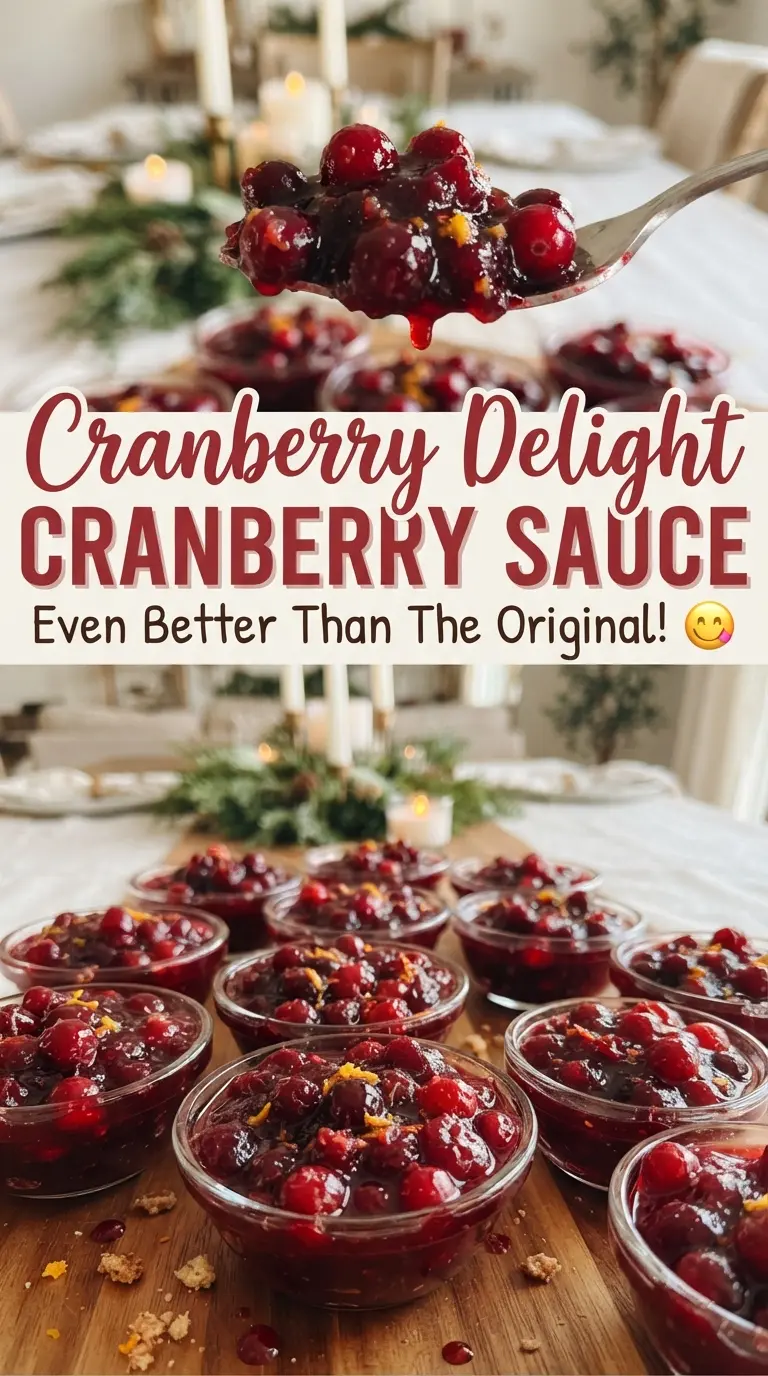
- Fresh cranberries — These are the structure of the sauce. You want whole cranberries, not dried ones, because they burst as they cook and release pectin, which is what gives the sauce that natural jammy body.
- Monk fruit or allulose sweetener — This replaces the sugar without making the sauce syrupy or grainy. Allulose gives the closest texture to classic cranberry sauce because it dissolves cleanly and stays softer when chilled. Monk fruit blends vary more, so choose one that measures like sugar and isn’t blended with a strong aftertaste.
- Orange zest — This is what keeps the sauce bright. Add it after cooking so the oils stay fragrant instead of turning harsh from prolonged heat.
- Ground cinnamon — Use just enough to round out the tartness. It should feel like background warmth, not a spice-heavy dessert sauce.
- Pinch of salt — This doesn’t make the sauce salty. It sharpens the cranberry flavor and keeps the sweetener from tasting one-dimensional.
How To Cook Cranberries Until They Turn Jammy, Not Watery
Dissolving The Sweetener First
Bring the water and sweetener to a full boil and stir until the granules disappear. If you skip this part, the sauce can end up with a faintly gritty finish, especially if you’re using a blend that takes a little longer to dissolve. You want the liquid clear and lightly glossy before the cranberries go in.
Letting The Berries Burst On Their Own
Add the cranberries, cinnamon, and salt, then lower the heat to a steady simmer. The berries will pop with a soft burst and the liquid will slowly turn ruby red. Stir now and then, but don’t mash aggressively or you’ll break the berries down too early and lose that nice mix of whole fruit and sauce.
Knowing When The Sauce Is Done
Cook until most of the berries have burst and the liquid looks slightly thickened around the edges, usually 10 to 12 minutes. When you drag a spoon across the bottom of the pan, the sauce should briefly part before settling back in. If it still looks thin, keep going for another minute or two; cranberry sauce often looks looser than it will set.
Finishing With Zest And Cooling It Down
Take the pan off the heat before stirring in the orange zest. That keeps the citrus aroma bright and prevents it from going bitter. Taste after it cools a little, because the sweetness reads differently once the sauce is no longer hot. If it needs more sweetener, stir in a small amount and let it dissolve while the sauce is still warm.
How To Adapt This For Different Tables
Use allulose for the closest classic texture
Allulose gives the smoothest, glossiest result and behaves most like sugar once the sauce cools. If you want that traditional cranberry sauce spoonability without the sugar hit, this is the version I’d choose first.
Make it sweeter without losing the tart edge
Add the extra sweetener after the sauce comes off the heat, a teaspoon at a time. That keeps you from overcorrecting while the pan is still bubbling, which can make the final flavor flatter than it needs to be.
Skip the orange if you want a purer cranberry finish
Leave out the zest and the sauce will taste cleaner and more sharply cranberry-forward. You lose some brightness, so a tiny extra pinch of salt helps keep the flavor from feeling one-note.
Make it ahead for the holiday table
This sauce is even better after a night in the fridge. The texture sets up firmly, the cinnamon softens, and the orange zest settles into the background instead of standing out on top.
Storage and Reheating
- Refrigerator: Store covered for up to 10 days. It will thicken as it chills, so it may look firmer than it did in the pan.
- Freezer: It freezes well for up to 2 months. Freeze in a small airtight container, leaving a little space at the top for expansion.
- Reheating: Warm it gently on the stovetop over low heat or serve it cold. If it seems too thick after chilling, stir in a teaspoon of water at a time. Don’t boil it again or the texture can turn loose and the zest will lose its freshness.
Answers To The Questions Worth Asking
Sugar Free Cranberry Sauce
Ingredients
Equipment
Method
- In a saucepan, bring the water and granular monk fruit or allulose sweetener to a boil over medium-high heat while stirring until fully dissolved. You should see the liquid turn clear and glossy as the sweetener melts.
- Add the fresh cranberries, ground cinnamon, and salt to the saucepan. Stir once to coat the berries so they cook evenly.
- Simmer at a steady gentle boil for 10–12 minutes, stirring occasionally, until the berries burst and the sauce thickens. Look for a thicker, spoon-coating texture with visible berry skins popping.
- Remove the saucepan from the heat and stir in the orange zest. Taste and adjust sweetness by adding more granular monk fruit or allulose sweetener if needed.
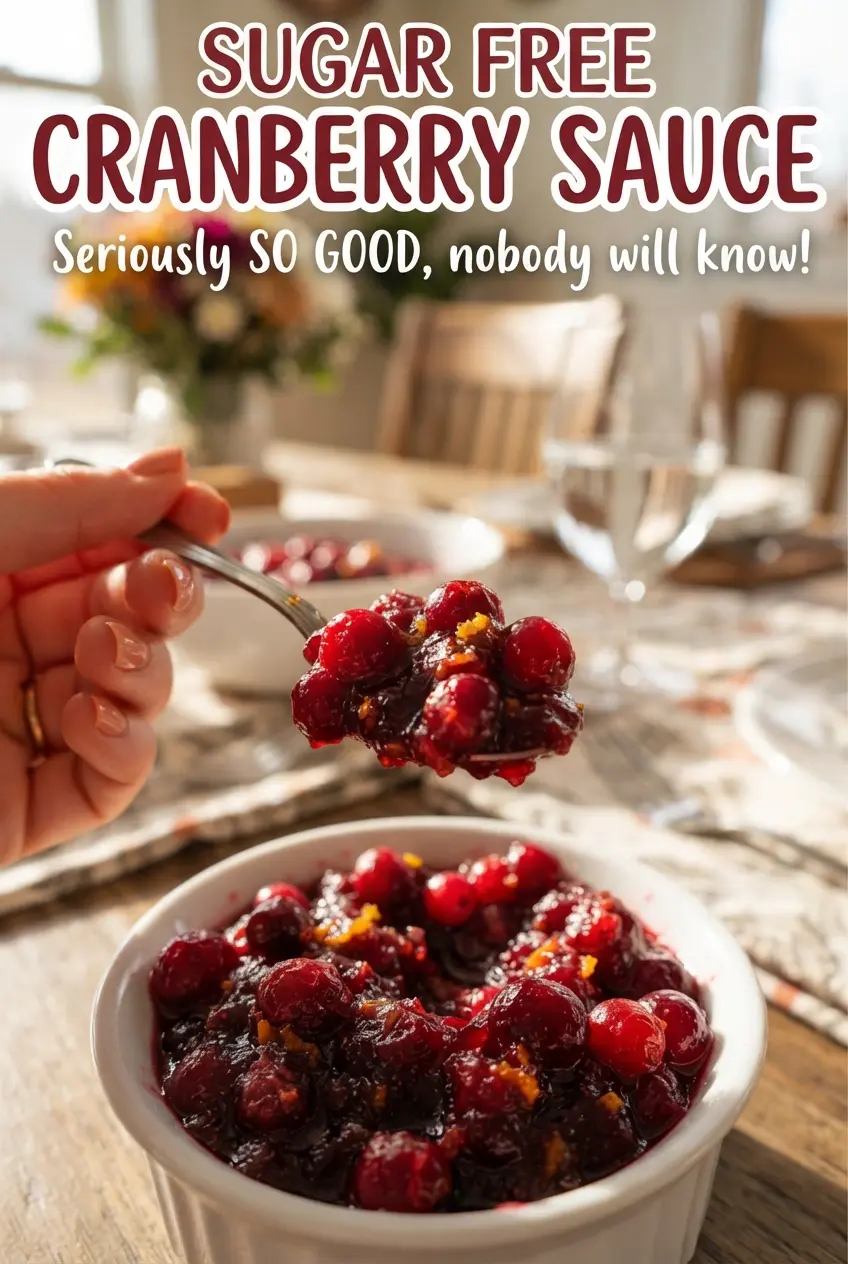
- Cool the cranberry sauce, then chill before serving so it thickens further. Serve cold from a small bowl with a glossy red surface and whole burst berries.


