
Glossy chicken and broccoli hit the table with that takeout-style sauce clinging to every bite, and this version gets there without turning the broccoli limp or the sauce thin. The chicken stays tender because it’s coated with a little cornstarch before it ever touches the pan, which gives you a light crust and helps the sauce grab on instead of sliding off.
The other trick is keeping the vegetables and the sauce in the right order. The broccoli gets a head start in a hot pan until it turns bright green and just tender-crisp, then the garlic and ginger go in for only a few seconds before the sauce follows. That short cooking window keeps the garlic from burning and the sauce from tasting muddy or bitter.
Below, you’ll find the small details that make this weeknight stir fry work every time, including the ingredient swaps that still keep the sauce balanced and the one pan move that gives you the best texture.
The chicken stayed juicy and the sauce thickened up right when I added it back to the pan. My broccoli was still crisp at the tips, and my husband said it tasted better than the takeout place we usually use.
Save this 30-Minute Chicken and Broccoli for the nights when you want glossy soy-garlic sauce, crisp-tender broccoli, and dinner on the table fast.
The part that keeps the sauce glossy instead of gluey
The difference between a good chicken and broccoli stir fry and one that tastes like thickened soy soup comes down to when the cornstarch shows up. Here, the chicken gets tossed with a little cornstarch before it hits the pan, and the sauce gets its own cornstarch slurry in the bowl, which keeps the coating light and the final sauce smooth. If you dump all the starch into the pan at once, it tends to clump around the edges and turn pasty before the broccoli is even warmed through.
High heat helps, but only if the pan stays hot enough to brown the chicken instead of steaming it. Crowding the pan is the fastest way to lose that sear, so cook the chicken in one layer and give it space. The sauce should bubble and thicken in a minute or two; if it sits there for too long, the broccoli goes soft and the garlic starts to taste sharp.
What each ingredient is actually doing in this dish
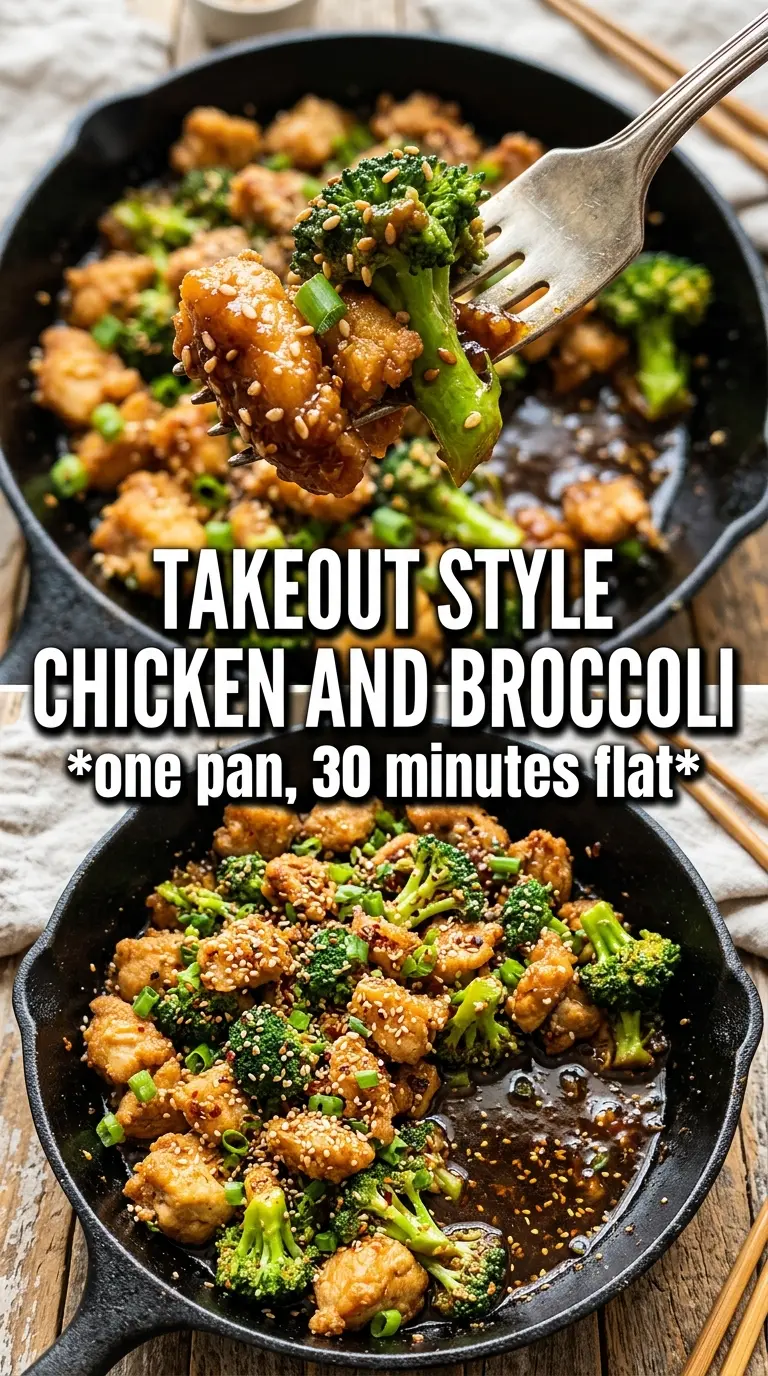
- Chicken breasts — Bite-sized pieces cook fast and stay juicy when they’re cut evenly. Chicken thighs work too if you want a richer result, but they take a little longer and will render more fat into the pan.
- Cornstarch — This does two jobs: it gives the chicken a light coating that browns quickly, and it helps the sauce cling. Flour won’t give the same clean, glossy finish.
- Soy sauce, oyster sauce, and hoisin — These build the deep, savory-sweet backbone of the sauce. Soy sauce brings salt and color, oyster sauce adds body, and hoisin brings a little sweetness and rounded spice that keeps the sauce from tasting flat.
- Broccoli — Fresh florets hold up best here because they stay crisp-tender under high heat. Frozen broccoli can work in a pinch, but it releases more water, so the sauce won’t cling as tightly.
- Garlic and ginger — These need only a short hit of heat. Any longer and the garlic can burn, which gives the whole dish a bitter edge.
- Sesame oil — Add it at the end for aroma, not for cooking. It’s what gives the sauce that unmistakable stir-fry finish.
Building the stir fry in the right order
Coating the Chicken First
Toss the chicken with salt, pepper, and cornstarch until every piece looks lightly dusted. That coating should be thin and even, not gummy. If you see wet pockets of starch, break them up before the chicken goes into the pan so you don’t end up with clumps.
Getting Color on the Chicken
Heat the oil until it shimmers, then add the chicken in a single layer. Let it sit long enough to get golden on one side before stirring, which usually takes a couple of minutes. If the pan starts to steam instead of sizzle, it’s too crowded; pull some chicken out or work in batches so you keep that browned edge.
Keeping the Broccoli Crisp-Tender
Stir-fry the broccoli just until it turns bright green and the stems start to soften at the edges. You want a little bite left, because it will spend another minute or two in the sauce at the end. If you cook it until it looks fully done in the pan, it will be soft by the time it reaches the plate.
Finishing With the Sauce
Add the garlic and ginger only long enough to wake them up, then pour in the whisked sauce. Stir as it bubbles so the cornstarch activates evenly and thickens without turning lumpy. Return the chicken to the pan at the very end and toss until every piece is coated in that dark amber glaze, then serve it right away over rice.
How to adapt this chicken and broccoli without losing the sauce
Use chicken thighs for a richer stir fry
Boneless thighs bring a little more flavor and stay juicy even if you cook them a minute longer. The tradeoff is a slightly softer texture and a bit more fat in the pan, which can make the sauce feel heavier and a little less clean than the breast version.
Make it gluten-free with a couple of swaps
Use gluten-free soy sauce or tamari, and check that your oyster sauce and hoisin are labeled gluten-free too. The sauce will still thicken the same way, but you may need a pinch more brown sugar if your substitutes taste less rounded than the originals.
Swap in snap peas or bell peppers
If you want more crunch or need to use what’s in the fridge, replace some of the broccoli with snap peas or thinly sliced bell pepper. Snap peas keep the stir fry light and crisp, while bell peppers bring sweetness but soften faster than broccoli.
Serve it over cauliflower rice for a lower-carb meal
The stir fry itself fits easily into a lower-carb dinner when you skip the white rice and serve it over cauliflower rice. The sauce stays the same, but the meal feels lighter and you’ll want to keep the heat on the cauliflower rice low so it doesn’t turn watery under the glaze.
Storage and Reheating
- Refrigerator: Store leftovers in an airtight container for up to 4 days. The broccoli softens a bit, but the sauce keeps the chicken from drying out.
- Freezer: It freezes, though the broccoli will lose some bite. Freeze in portions for up to 2 months and thaw overnight before reheating.
- Reheating: Warm it in a skillet over medium-low heat with a splash of water or broth. Microwaving works, but it can push the chicken past tender and make the sauce tighten up too much.
Answers to the questions worth asking
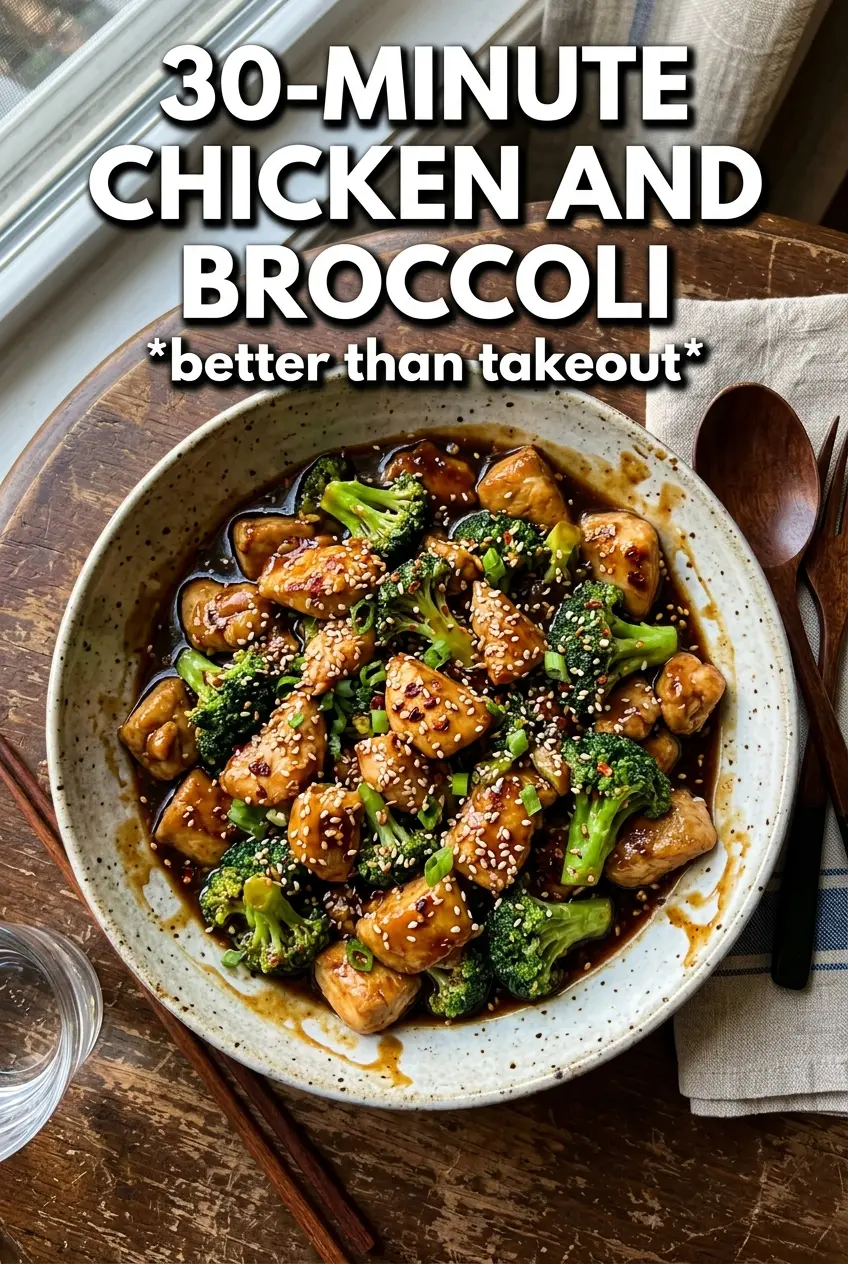
30-Minute Chicken and Broccoli
Ingredients
Equipment
Method
- Toss the chicken pieces with salt, pepper, and cornstarch until every bite is coated with a light powdery layer.
- Heat 1 tablespoon of the vegetable oil in a large wok or skillet over high heat, then cook the chicken for 5-6 minutes until golden and cooked through; remove to a plate.
- Add the remaining vegetable oil and stir-fry the broccoli for 3-4 minutes until bright green and just tender-crisp.
- Stir-fry the garlic and ginger for 30 seconds until fragrant, then pour in the whisked sauce and cook for 1-2 minutes until thickened and glossy, with a clinging consistency.
- Return the chicken to the pan and toss until everything is evenly coated in the dark amber soy-garlic sauce.
- Serve over rice and top with sesame seeds and green onions so the glaze stays glossy on the chicken and broccoli.


