
Fluffy, tomato-red Mexican rice with tender grains, little pops of carrot and pea, and that toasted-rice depth underneath is the kind of side dish that disappears fast. The best versions don’t taste like plain rice dyed orange; they taste layered, savory, and full of life, with each grain separate and coated in a rich, lightly spiced sauce.
The trick is to toast the rice first until it turns translucent and faintly golden. That step gives you texture and keeps the grains from collapsing into mush once the tomato sauce and broth go in. Cooking the tomato sauce for a minute or two before adding liquid also deepens the flavor and takes away that raw, canned edge.
Below, I’ve laid out the small details that matter most: the right heat level, when to stop stirring, and why the resting time after cooking is just as important as the simmer.
The rice came out fluffy and separate, and toasting it first made a huge difference. I’ve had trouble with Mexican rice getting gummy, but this one stayed light and the tomato flavor was spot on.
Save this fluffy Mexican rice for the nights when you want a tomato-rich side with separate grains and a perfect rest at the end.
Why Toasting the Rice First Keeps It Fluffy
The biggest mistake in Mexican rice is rushing straight to the liquid. Raw rice needs a coating of oil and a little time in the pan so the outside firms up before the broth goes in. That light toast is what helps the grains stay distinct instead of turning soft and sticky.
Watch the color closely. You want the rice to look slightly translucent with a few pale golden spots, not deeply browned. If it goes too far, the finished rice can taste bitter and the tomato flavor loses its brightness. Once the onion and garlic go in, keep the heat moderate so the garlic turns fragrant instead of scorching.
What Each Ingredient Is Actually Doing in This Rice
- Long-grain white rice — This is the right rice for separate, fluffy grains. Short-grain rice gets softer and clumpier, which changes the whole texture. If you need a substitute, use another long-grain white rice such as jasmine, but keep an eye on the liquid because some brands cook a touch faster.
- Tomato sauce — This gives the rice its classic red color and a smoother, more even tomato flavor than diced tomatoes would. Letting it cook in the pan before the broth goes in helps it taste cooked, not sharp. Tomato puree can work in a pinch, but the rice may come out a little thicker and less bright.
- Chicken broth — Broth brings the savory backbone, and it matters more here than it would in plain steamed rice. Water will work, but the rice will taste flatter. If you want a vegetarian version, use a good vegetable broth with enough body to stand up to the tomato.
- Carrots and peas — These add color, sweetness, and the little vegetable bite that makes the dish feel finished. Frozen peas go in easily and hold their shape well. Dice the carrots small so they soften in the same time as the rice.
- Cumin and bay leaf — Cumin gives the rice that warm, familiar background note, and the bay leaf adds depth without announcing itself. Don’t skip both if you want the rice to taste complete. The bay leaf gets removed at the end, so it’s there for aroma, not texture.
The Few Minutes That Decide Whether the Rice Stays Separate
Toasting the Grains
Heat the oil in a wide saucepan and stir in the rice right away. Keep it moving so it toasts evenly and doesn’t scorch in one spot. The grains will shift from chalky white to translucent with a faint nutty smell, and that’s your cue to move on. If the heat is too high, the bottom layer browns before the rest has a chance to toast, and that unevenness shows up in the final texture.
Coating with Onion, Garlic, and Tomato
Add the onion and garlic and cook just until the onion softens and the garlic smells sweet. Then stir in the tomato sauce and let it cook for a minute or two before adding broth. That short cook time mellows the tomato and helps the sauce cling to the rice instead of pooling around it. If you add the broth too quickly, the rice won’t absorb as much flavor from the base.
Simmering Without Disturbing the Pot
Once the broth, vegetables, and seasonings go in, bring everything to a boil, then drop the heat to low and cover the pot. After that, stop stirring. Lifting the lid or agitating the rice releases steam and breaks the structure you just built, which is how you end up with gummy rice instead of fluffy grains. When the liquid is absorbed and small steam holes appear on top, it’s ready for the rest time.
The Rest That Finishes the Texture
Take the pot off the heat and leave the lid on for five minutes. This is where the last bit of moisture redistributes through the rice, and skipping it leaves the center uneven. Fluff gently with a fork, not a spoon, so you separate the grains instead of smashing them. Pull out the bay leaf before serving and finish with cilantro while the rice is still hot.
Three Ways to Adapt This Mexican Rice Without Losing the Character
Vegetarian Mexican Rice
Swap the chicken broth for a full-flavored vegetable broth. Use one with enough savory depth, not a thin, watery one, or the rice will taste flat. The rest of the method stays the same, and the tomato sauce still gives you that classic color and body.
No Frozen Peas on Hand
Use corn, small diced zucchini, or skip the vegetables entirely and keep the rice plain. Corn adds sweetness and holds up well, while zucchini softens more and makes the rice a little looser. If you leave the vegetables out, reduce the broth by a few tablespoons only if your tomato sauce is very thin.
Spicier Version
Add a pinch of chili powder or a diced jalapeño with the onion. Chili powder deepens the color and makes the rice taste warmer without changing the texture. Fresh jalapeño adds a brighter heat, but remove the seeds if you want the spice to stay in the background.
Gluten-Free and Dairy-Free by Default
This recipe already fits both needs as written, as long as your broth is gluten-free. The method doesn’t rely on butter or cheese, so you don’t lose anything by keeping it simple. That’s one reason this rice works so well alongside so many main dishes.
Storage and Reheating
- Refrigerator: Store in an airtight container for up to 4 days. The grains firm up as they chill, but the rice still keeps its flavor well.
- Freezer: It freezes well. Cool completely, portion into airtight containers or freezer bags, and freeze for up to 2 months.
- Reheating: Reheat covered in the microwave with a spoonful of water or broth, or warm it on the stove over low heat. The common mistake is blasting it on high, which dries the rice out before the center has a chance to loosen.
Questions I Get Asked About This Recipe
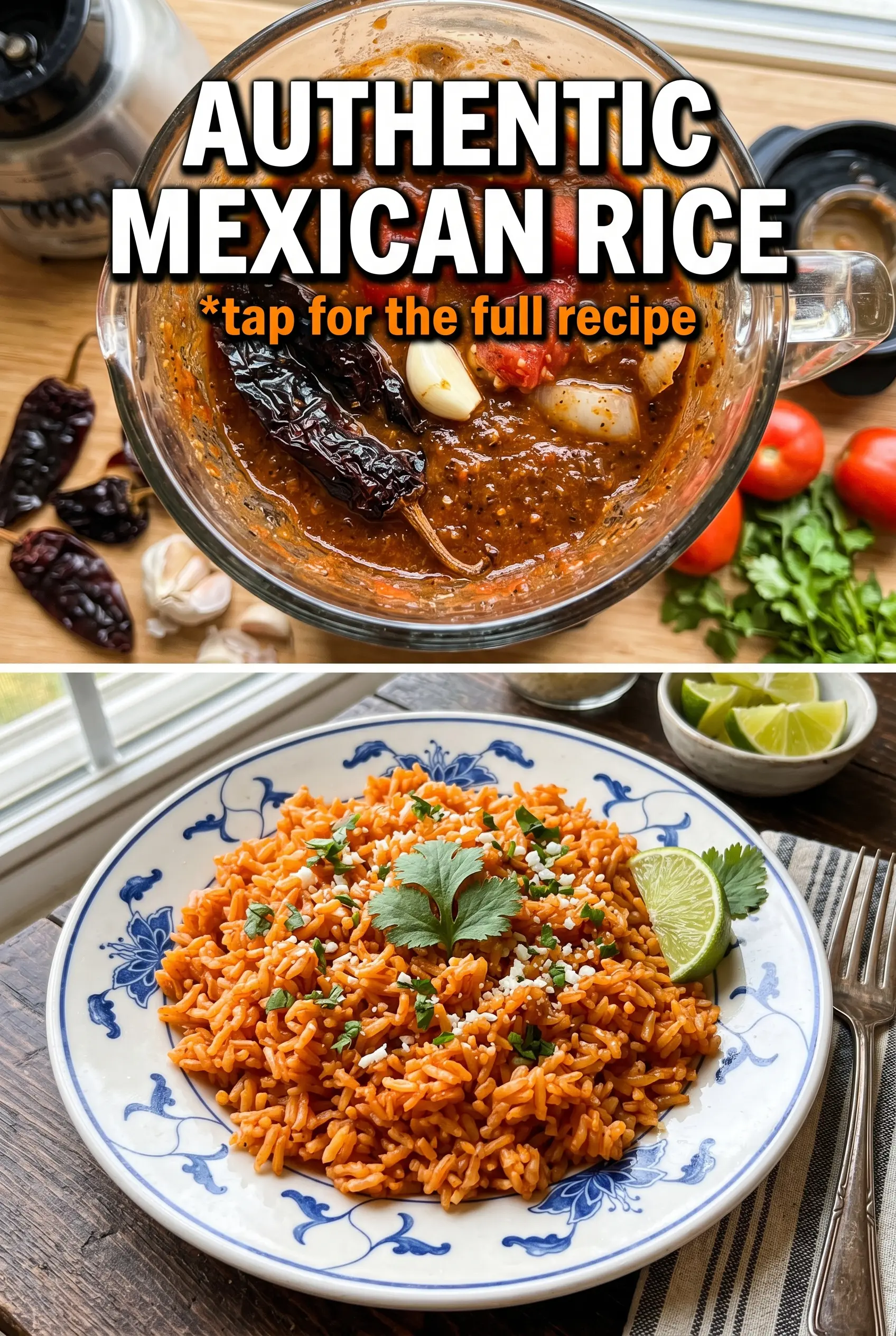
Authentic Mexican Rice
Ingredients
Equipment
Method
- Heat vegetable oil in a large saucepan over medium heat, then add long-grain white rice and stir constantly until translucent and lightly toasted, about 3-4 minutes. Stop when you can see the grains turning glossy rather than dry.
- Add diced onion and minced garlic, then cook for 1-2 minutes until fragrant. Keep stirring so the garlic doesn’t brown.
- Stir in tomato sauce and cook for 1-2 minutes. Cook just until the mixture looks well combined and starts bubbling at the edges.
- Add chicken broth, carrots, frozen peas, bay leaf, cumin, salt, and pepper to the saucepan. Scrape up any bits from the bottom for extra flavor.
- Bring the mixture to a boil, then reduce heat to low, cover, and simmer for 15 minutes. Look for gentle bubbling beneath the lid, not a vigorous boil.
- Remove from heat and let the rice rest covered for 5 minutes. This step helps the grains finish steaming evenly.
- Fluff the rice with a fork and remove the bay leaf. Separate the grains so the red color stays vibrant and not sticky.
- Garnish with fresh cilantro before serving. Finish right before eating so the herbs stay bright.


