
Baked Tuscan chicken casserole lands on the table with crisp, bronzed chicken skin and a creamy sauce that actually clings to the meat instead of pooling into a thin, broken mess. The sun-dried tomatoes bring sharp, concentrated sweetness, the spinach melts into the sauce without turning limp or gray, and the Parmesan gives everything a savory finish that tastes like it simmered much longer than it did.
The trick is building the sauce in the same pan you used for the chicken. Those browned bits left behind after searing are the backbone of the flavor, and deglazing them with broth keeps the sauce from tasting flat. The other detail that matters is the order: the cream and Parmesan go in after the garlic and tomatoes have had a minute to bloom, which keeps the sauce smooth and helps the cheese melt without turning gritty.
Below you’ll find the searing cue that gives you shatteringly crisp skin, the ingredient swaps that still keep the casserole balanced, and the timing that keeps the chicken juicy while the sauce finishes in the oven.
The sauce thickened into the creamiest pan gravy and the chicken skin stayed crisp even after baking. I served it over mashed potatoes and my husband said it tasted like a restaurant dinner.
Save this baked Tuscan chicken casserole for the nights when you want golden chicken, creamy sun-dried tomato sauce, and one pan to do the heavy lifting.
The Part That Keeps the Sauce Creamy Instead of Broken
The biggest mistake with a chicken casserole like this is rushing the sauce after the sear. If the pan is screaming hot when the cream and Parmesan go in, the sauce can separate before it ever reaches the oven. Let the garlic and sun-dried tomatoes soften first, then add the broth to pull up every browned bit from the pan. That base gives the sauce depth and also lowers the temperature enough for the cream to stay smooth.
Skin-on thighs earn their place here. They stay juicy through the bake and their rendered fat helps season the sauce from the top down. Boneless thighs work in a pinch, but they lose some of that rich roast-chicken character and the sauce has less built-in body. If you want the finished casserole to look like the photo and not like a loose skillet dinner, leave the chicken skin side up for the oven so it stays out of the sauce and browns instead of steaming.
What Each Ingredient Is Actually Doing in This Casserole
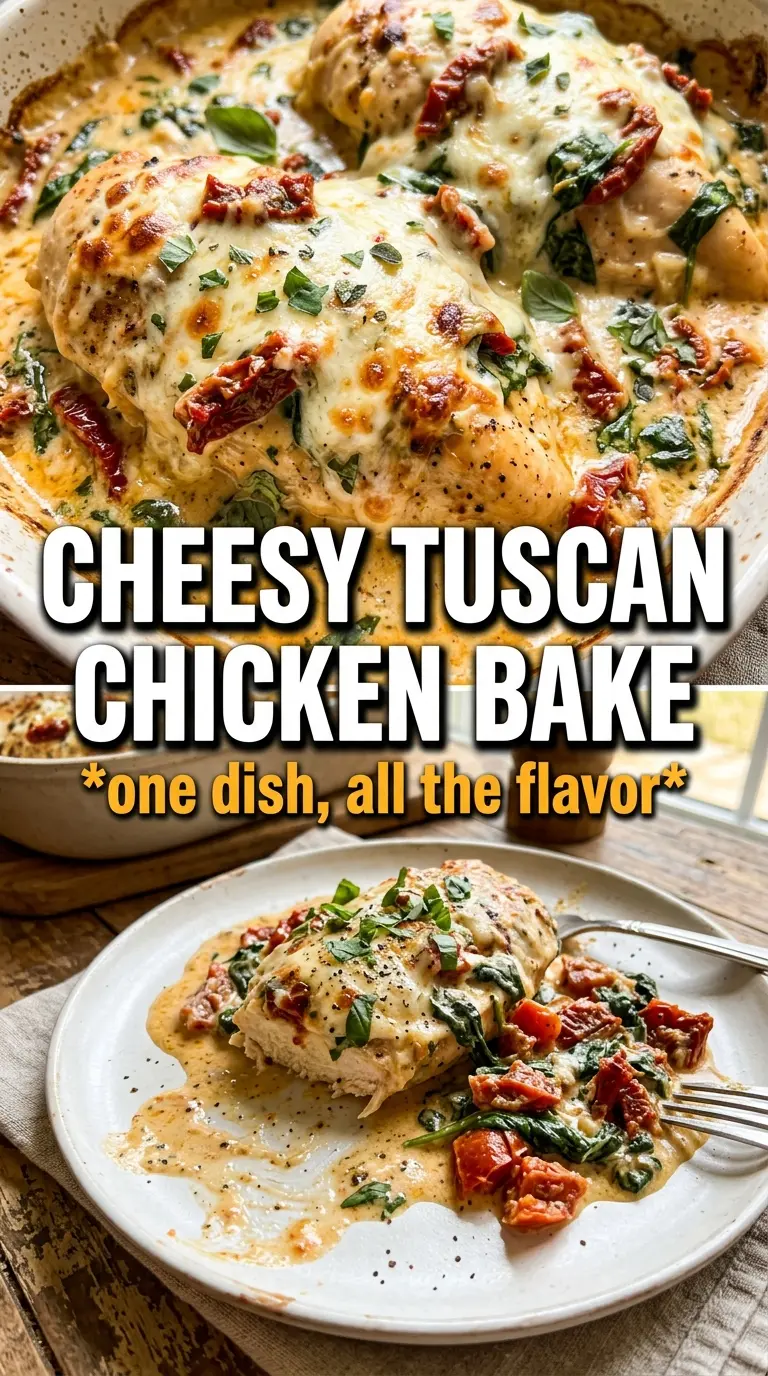
- Chicken thighs — Bone-in, skin-on thighs give you the most forgiving texture and the best flavor. The bones protect the meat from drying out, and the skin renders into the sauce while still crisping in the pan. Chicken breasts can be used, but they need less oven time and won’t taste as rich.
- Sun-dried tomatoes in oil — These are the flavor anchor. The oil-packed kind are softer and more supple than dry-packed tomatoes, so they melt into the sauce faster and bring a little of their own savory oil with them. Drain them, but don’t rinse them.
- Heavy cream — This is what keeps the sauce stable and silky. Half-and-half can work, but it’s more likely to thin out and needs a gentler hand. If you use a lighter dairy product, keep the sauce at a low simmer and don’t let it boil hard in the oven.
- Parmesan — Freshly grated Parmesan melts far better than the shelf-stable kind and gives you that nutty, salty finish. Pre-grated cheese often has anti-caking agents that can make the sauce grainy, especially in a cream sauce like this.
- Baby spinach — Add it at the end. It wilts in seconds, keeps its color, and gives the casserole a little freshness so the sauce doesn’t feel heavy.
Building the Sauce After the Sear
Seasoning and Searing the Chicken
Pat the chicken thighs dry before seasoning them. Dry skin is the difference between a crisp, browned crust and skin that sticks to the pan. Heat the oil until it shimmers, then lay the thighs in skin-side down and leave them alone until the skin is deep golden and releases on its own. If you try to move them too early, they’ll tear and the skin won’t ever crisp properly.
Turning the Pan Bits into the Sauce
Once the chicken comes out, the pan should still have a thin layer of rendered fat and browned bits. Add the garlic and sun-dried tomatoes and stir just until the garlic smells fragrant, not brown. Pour in the broth and scrape the bottom of the pan with a wooden spoon; this is where the flavor is hiding. If the pan looks dry at this stage, the sauce will taste one-note.
Finishing in the Oven
Stir in the cream, Parmesan, Italian seasoning, and red pepper flakes, then bring the chicken back in skin-side up. The sauce should look loose and glossy going into the oven; it thickens as the chicken finishes cooking and the cheese settles in. Bake uncovered so the top of the chicken keeps its color. If the sauce seems thin when it comes out, give it a few minutes to rest before you judge it — it tightens as it sits.
Adding the Spinach at the End
Stir the spinach in after the chicken reaches temperature. Residual heat is enough to wilt it without overcooking it into swampy ribbons. You want the leaves soft and glossy, not dark and collapsed. Basil goes on right before serving so it stays fragrant instead of disappearing into the sauce.
Three Ways to Make This Work for Your Table
For a lighter version with chicken breasts
Use boneless, skinless chicken breasts and cut the oven time down a few minutes. You’ll lose the richness that comes from rendered skin and bones, so the sauce matters even more here. Pull the chicken as soon as it hits 165°F and let it rest in the sauce for a few minutes before serving.
For a gluten-free casserole
This recipe is naturally gluten-free as written, which makes it an easy one-pan dinner for mixed tables. Just check your chicken broth and Parmesan packaging if you’re cooking for someone with celiac disease, since those are the ingredients most likely to hide a problem.
For a dairy-free version
Swap the cream for full-fat coconut milk and skip the Parmesan, then add a little extra salt and a squeeze of lemon at the end to wake everything up. The sauce won’t taste like classic Tuscan chicken anymore, but it will still be creamy and coat the chicken well. Keep the heat gentle so the coconut milk stays smooth.
For pasta, rice, or crusty bread on the side
The sauce is plenty good enough to serve over something absorbent. Spoon the chicken and plenty of sauce over pasta or rice, or use bread to mop up the pan. If you want the casserole to stay thick for serving, let it rest five minutes before you plate it.
Storage and Reheating
- Refrigerator: Keep leftovers in an airtight container for up to 4 days. The sauce thickens as it chills, and the chicken skin softens, but the flavor holds up well.
- Freezer: This freezes, but the cream sauce may separate a little when thawed. For best results, freeze the chicken and sauce together in a tightly sealed container for up to 2 months and reheat gently.
- Reheating: Warm it covered in a 325°F oven or over low heat on the stove with a splash of broth or cream. High heat is the fastest way to make the sauce grainy and dry out the chicken.
Answers to the Questions Worth Asking
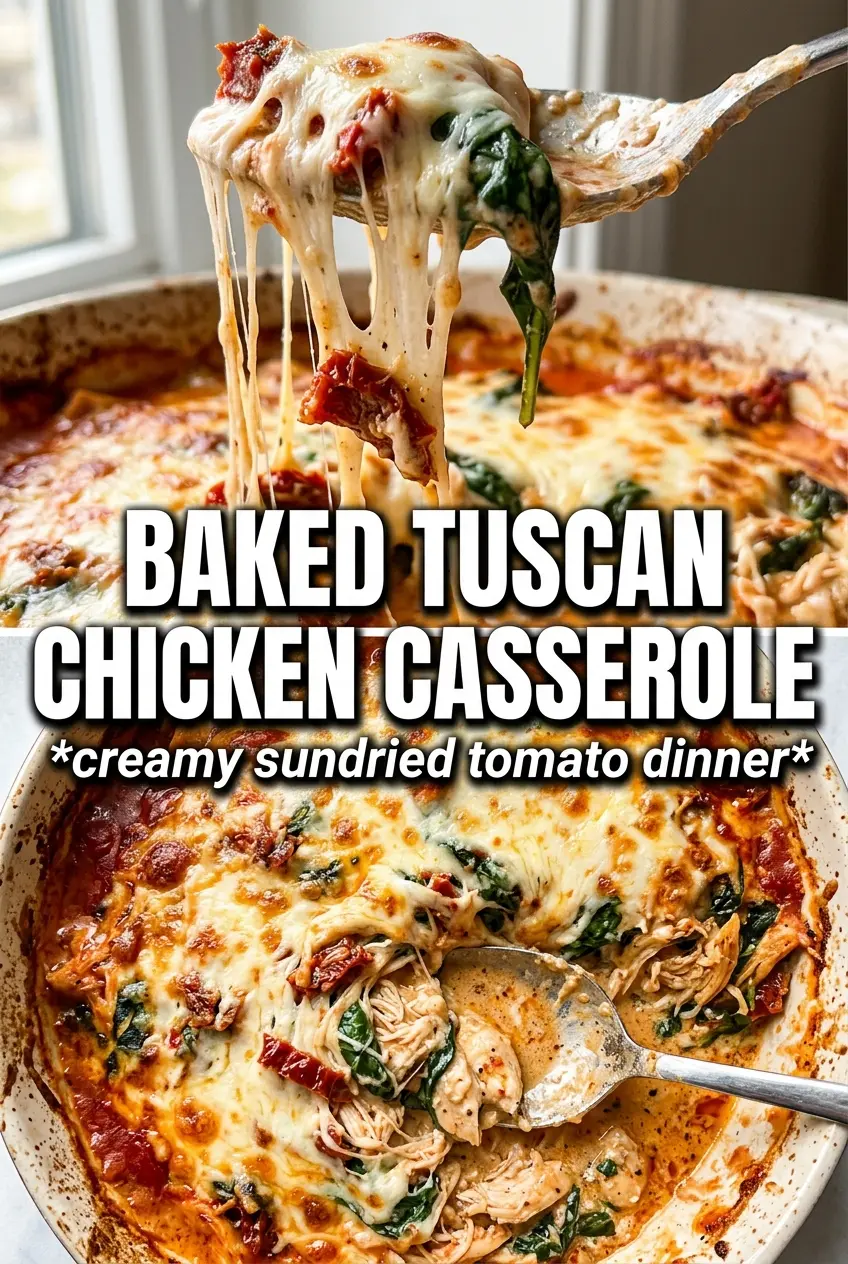
Baked Tuscan Chicken Casserole
Ingredients
Equipment
Method
- Preheat the oven to 400°F. Season the chicken thighs with salt, pepper, garlic powder, Italian seasoning, and smoked paprika.
- Heat the olive oil in a large oven-safe skillet or braiser. Sear the chicken skin-side down for 6-7 minutes until deeply golden.
- Flip the chicken and sear for 3 more minutes, until the second side is browned. Remove the chicken from the pan.
- In the same pan, cook the minced garlic and sun-dried tomatoes for 1 minute. Stir so the aroma rises without browning too much.
- Pour in the chicken broth and deglaze, scraping up the browned bits. Stir in the heavy cream, Parmesan, Italian seasoning, and red pepper flakes until the sauce looks smooth.
- Return the chicken skin-side up to the pan. Transfer to the oven and bake uncovered for 20-22 minutes until the chicken reaches 165°F and the sauce is bubbling.
- Stir the baby spinach into the hot sauce until wilted, with a darker green and softened leaves. Keep stirring just until all spinach is incorporated.
- Garnish with fresh basil and serve. Finish with a quick visual check that Parmesan is browned at the edges and the sauce pools around the chicken.


